
EMART backdrop stands and pipe-and-drape frames
Every EMART set starts with the same question: what is holding the background up? These are our photography backdrop stands — single crossbar, double, triple, T-shape and full pipe and drape — sized by the width of background they carry.
76 results in Backdrop Stands
-
7ft
-
8.5ft
-
10ft
-
7.8ft
-
7ft
-
7ft
-
8.5ft
-
7ft
-
-
10ft
-
6.9ft
-
9ft
-
7.8ft
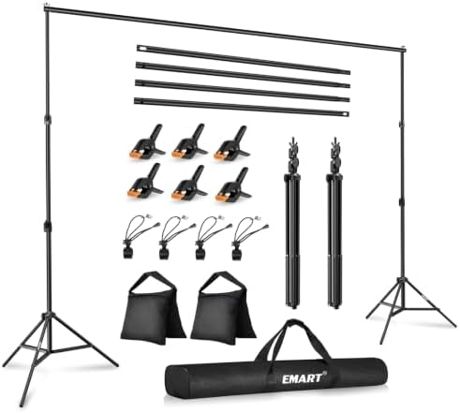 EMART Photo Backdrop Stand, 7.8x10ft Back Drop Stand for Party, Photography
$4164
Currently unavailable
-
-
6.5ft
-
-
-
-
-
-
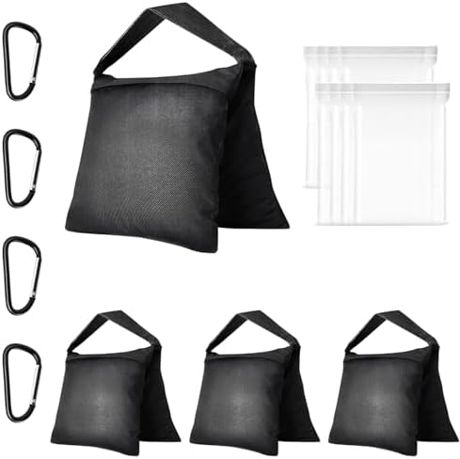
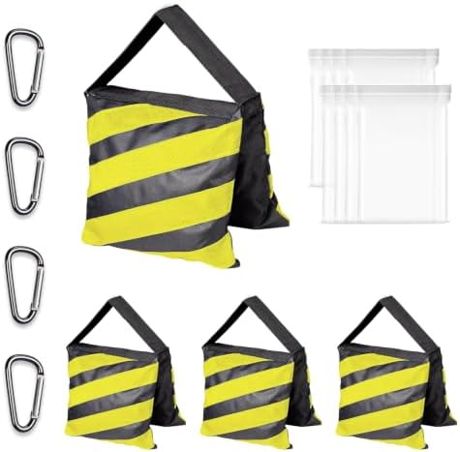
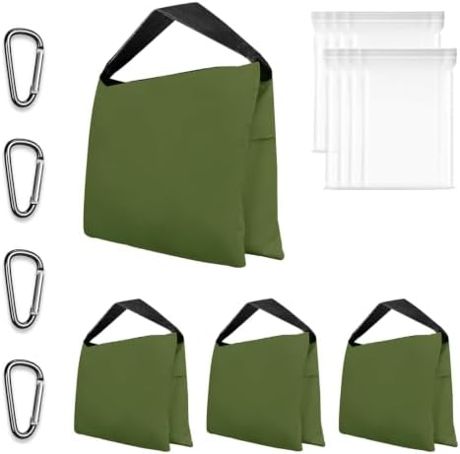
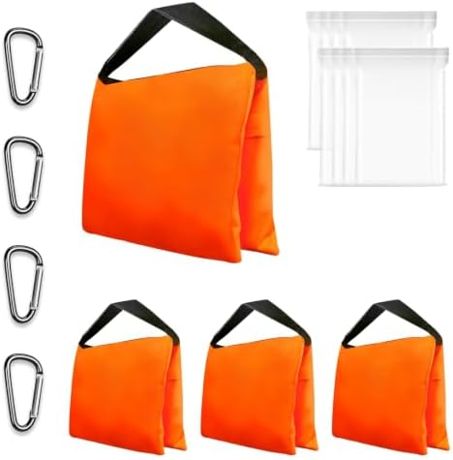
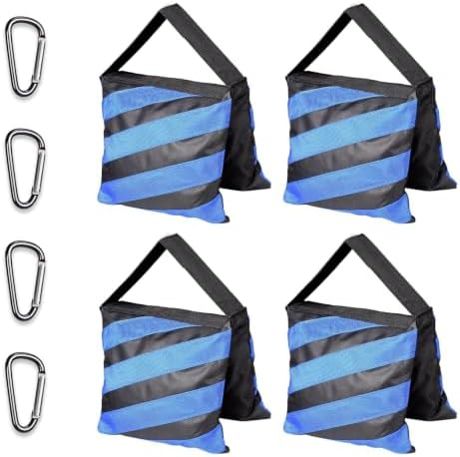 EMART 4Packs Sand Bags for Weight, Bule Sandbags for Backdrop Stand, Canopy
$2099
Currently unavailable
-
-
2.7ft
-
3.9ft
-
45.7in
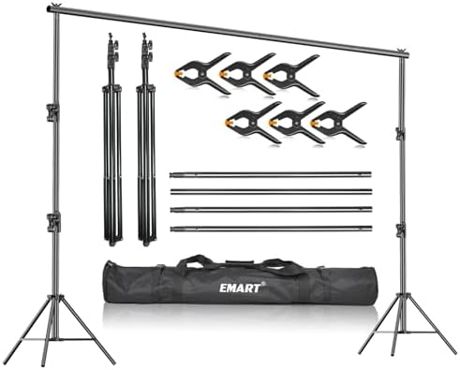 EMART 10x9.2Ft Heavy Duty Backdrop Stand Adjustable Banner Stand for Photo
$7999
Currently unavailable
-
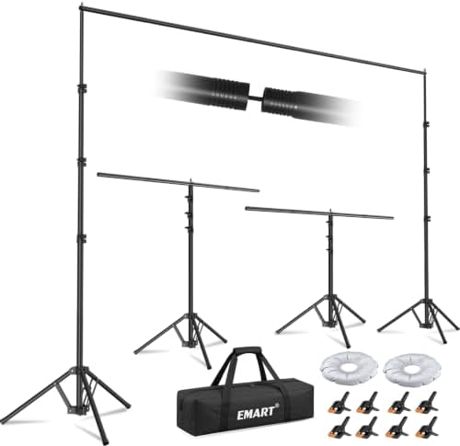
-
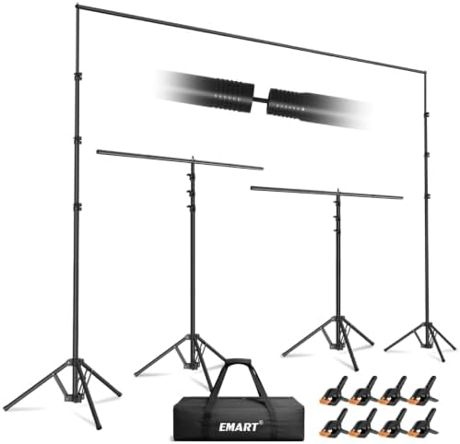
-
2.7ft
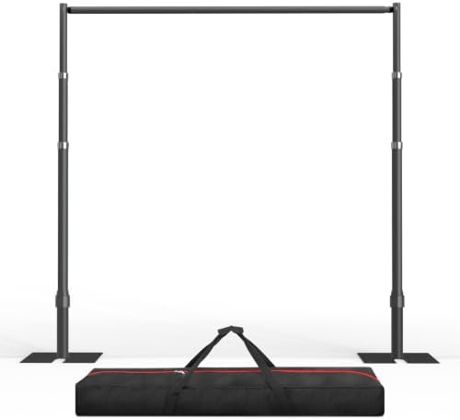
 EMART Backdrop Stand Heavy Duty 6.5x10ft Adjustable Pipe and Drape Stand
- Backdrop Stand Heavy D
- 2 options
$7199
In Stock
-
3ft
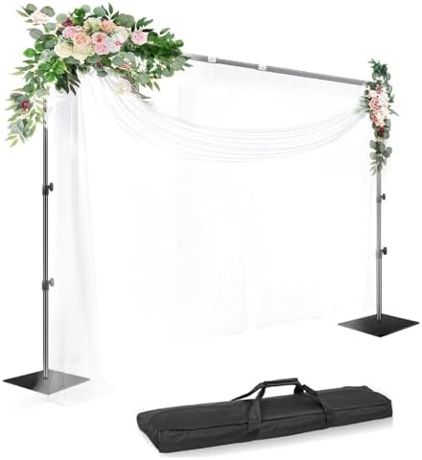
-
8.5ft
-
7ft
-
4.1ft
-
8.9ft
-
-
-
-
-
-
-
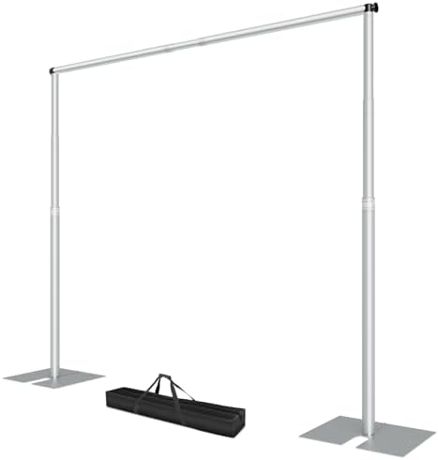
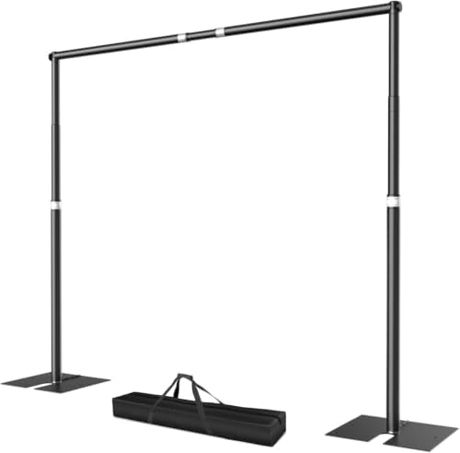 EMART 10x8.5ft Heavy Duty Backdrop Stand Adjustable Pipe and Drape Kit
- 10x8.5ft Heavy Duty Ba
- 2 options
$14999
In Stock
-
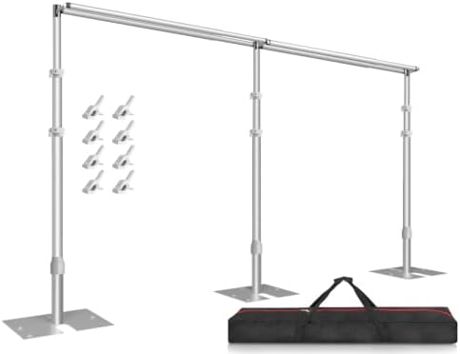
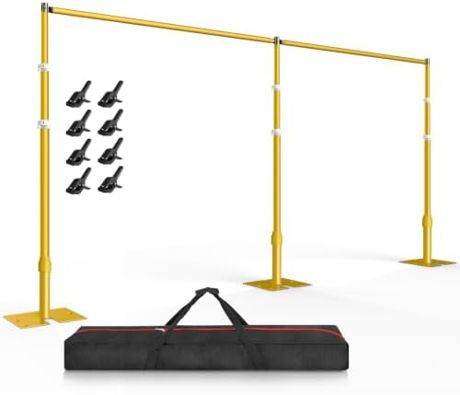
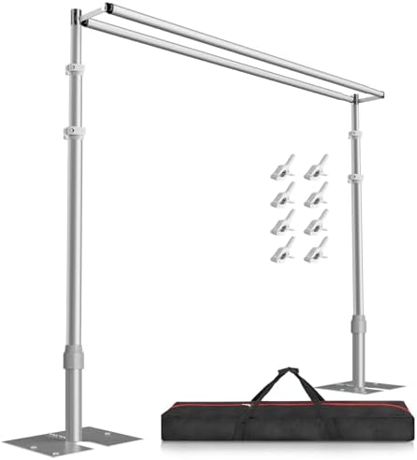 EMART Backdrop Stand Heavy Duty 10x10Ft Double Crossbar Pipe and Drape
- Backdrop Stand Heavy D
- Backdrop Stand Heavy D
- 3 options
$27499
In Stock
-
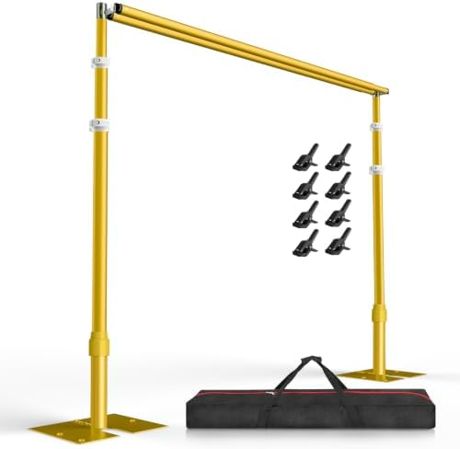
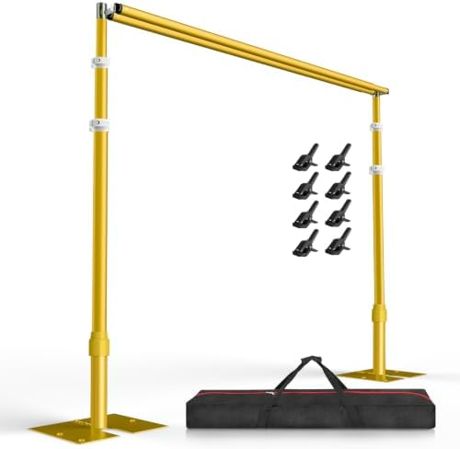 EMART Backdrop Stand Heavy Duty 8.9x10Ft Double Crossbar Pipe and Drape
- Backdrop Stand Heavy D
- Backdrop Stand Heavy D
- 3 options
$23999
In Stock
-
-
-
-
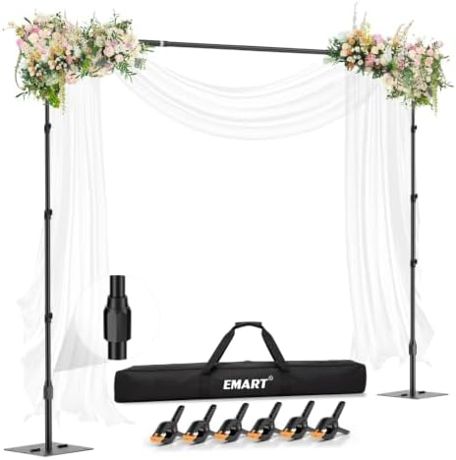 EMART Backdrop Stand, 10x10ft Background Stand with Heavy Duty Flat Base
$9349
Currently unavailable
-
-
-
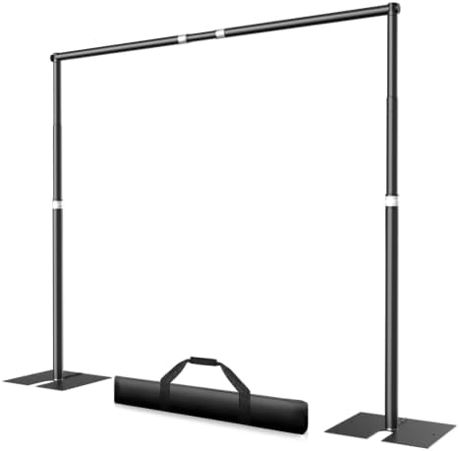 EMART 10x8.5ft Heavy Duty Backdrop Stand, Pipe and Drape with Flat Base
- 10x8.5ft Heavy Duty Ba
- 2 options
$14999
In Stock
-
-
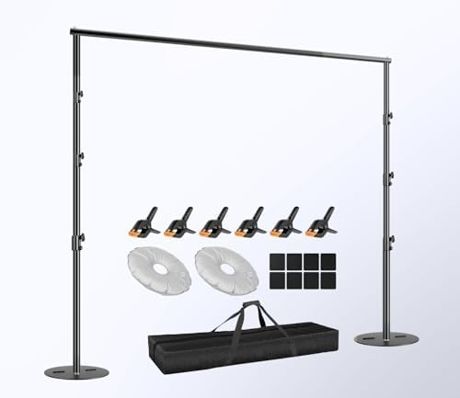 EMART Backdrop Stand Heavy Duty 10x10ft Adjustable Pipe and Drape Stand
- Backdrop Stand Heavy D
- 2 options
$11999
In Stock
-
-
-
-
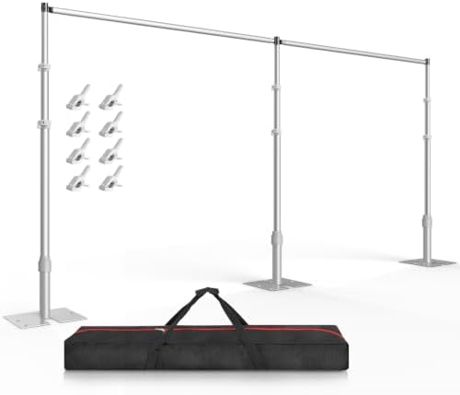 EMART Backdrop Stand Heavy Duty 12x20Ft Adjustable Pipe and Drape Stand Kit
$37999
Currently unavailable
-
-
-
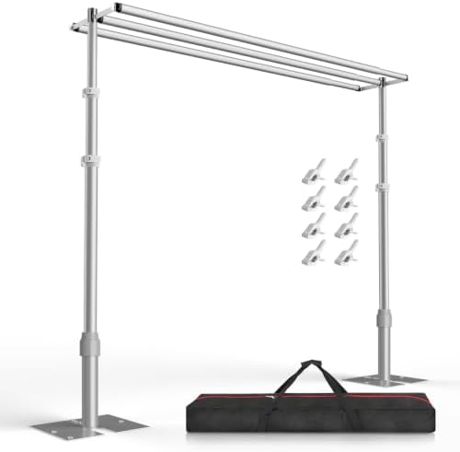
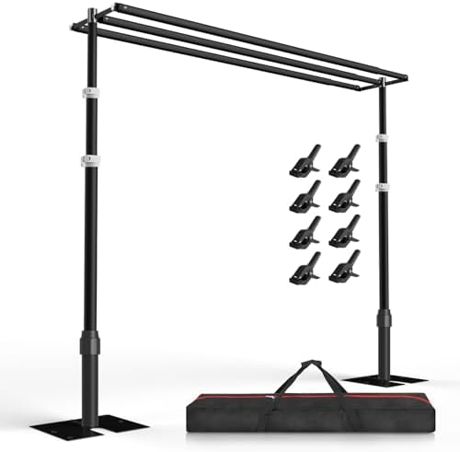 EMART Backdrop Stand Heavy Duty 10x10Ft Three Crossbar Pipe and Drape-Black
- Backdrop Stand Heavy D
- 2 options
$25499
In Stock
-
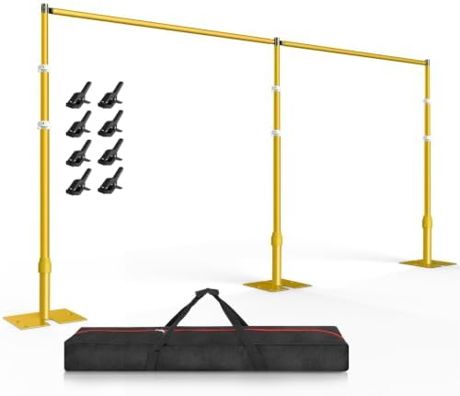
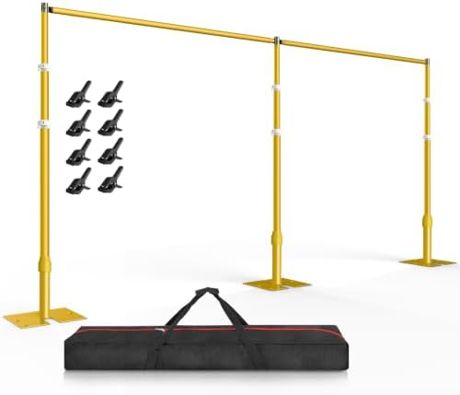
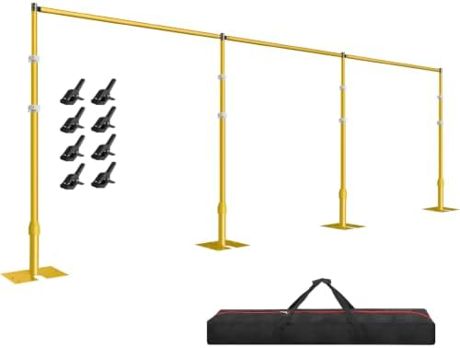
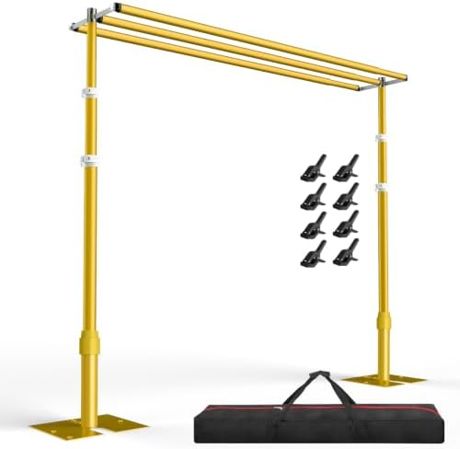 EMART Backdrop Stand Heavy Duty 10x12Ft Three Crossbar Pipe and Drape-Gold
- Backdrop Stand Heavy D
- 2 options
$32999
In Stock
-
8.5ft
-
7ft
-
-
-
10ft
-
10ft
-
-
-
-
10ft
-
10ft
-
-
4.1ft
-
-
-
-

About backdrop stands
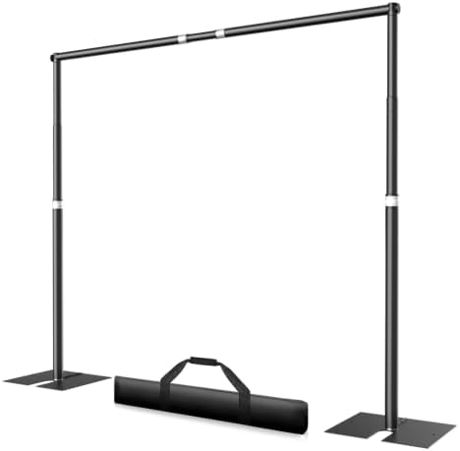
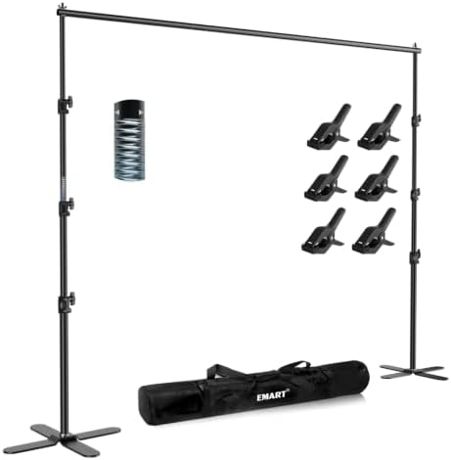
A backdrop stand is two uprights and a crossbar, and almost everything that goes wrong on a shoot goes wrong in that sentence. The crossbar sags in the middle and the seam shows. The base is too narrow and the frame walks when somebody brushes past it. The height stops two feet short and the hem pools on the floor where the subject's feet are. We size our photography backdrop stands around the background first and the room second, which is why the span is printed before anything else on every page in this section.
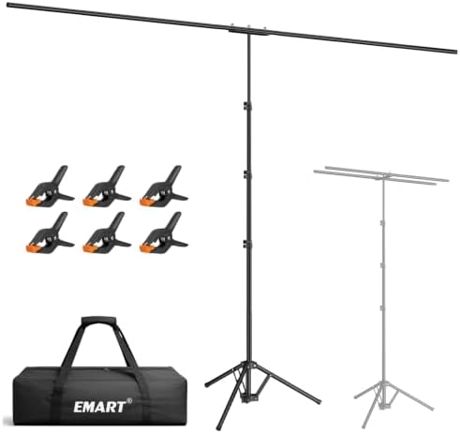
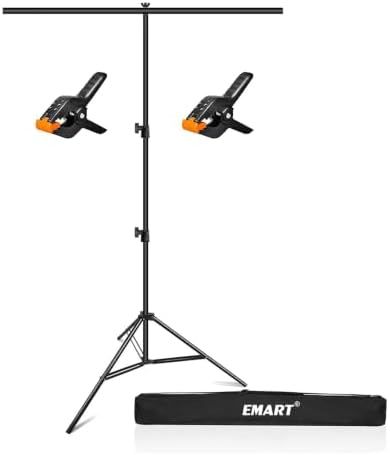
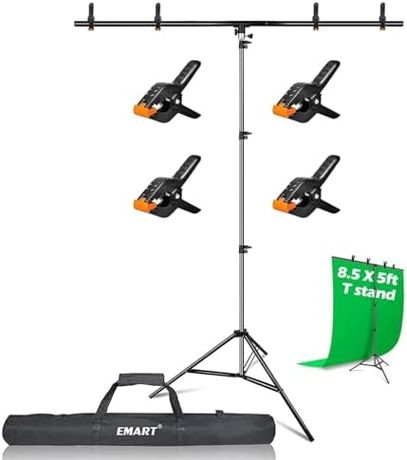
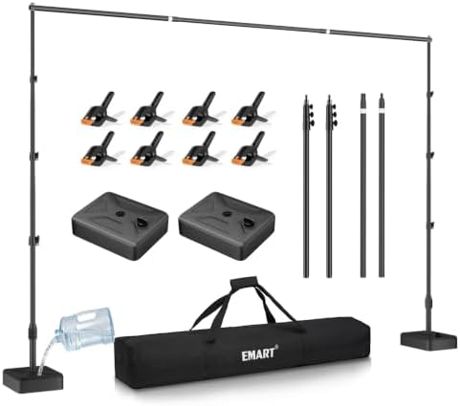
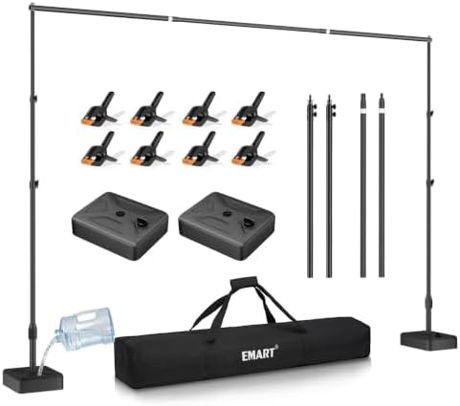
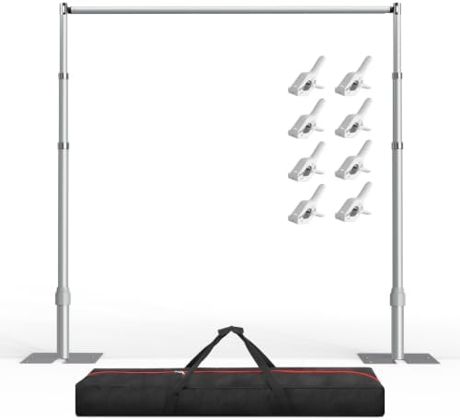
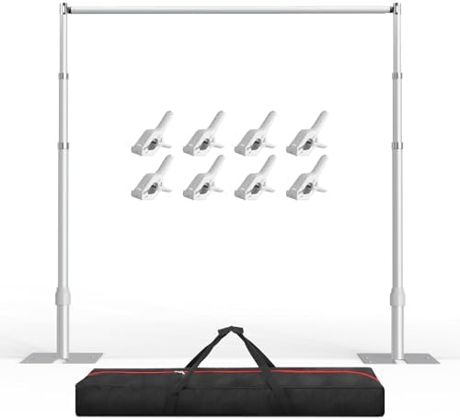
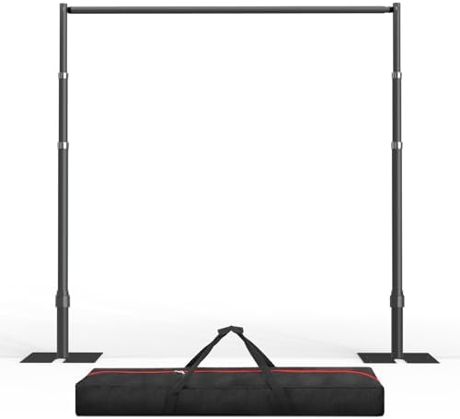
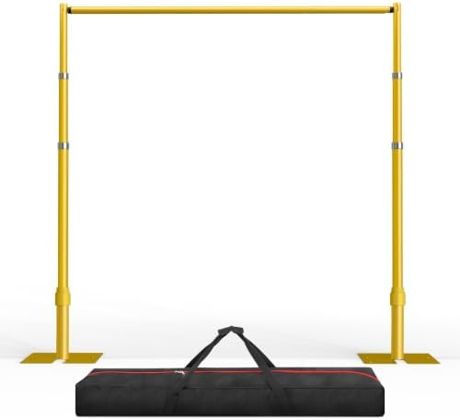
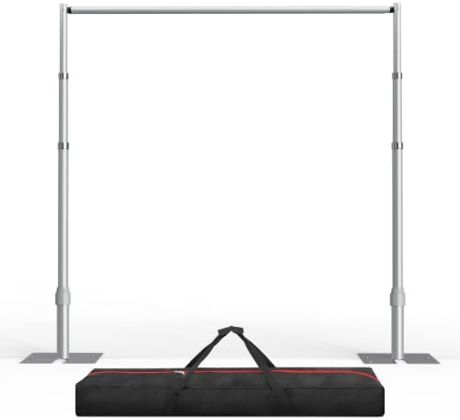
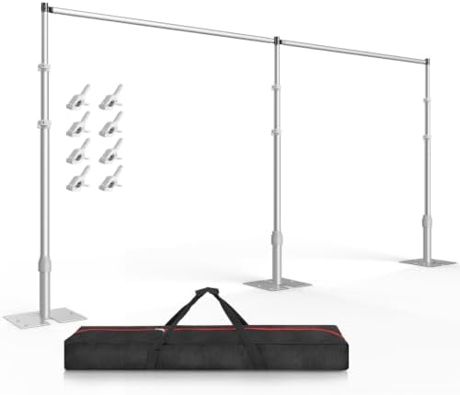
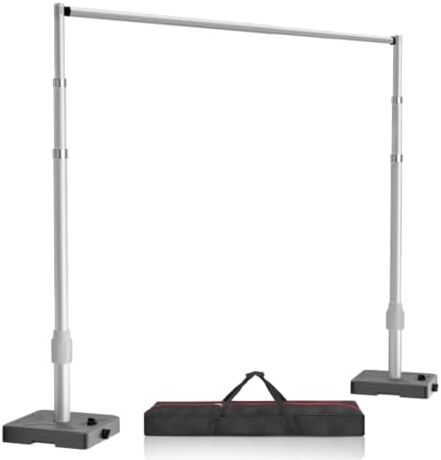
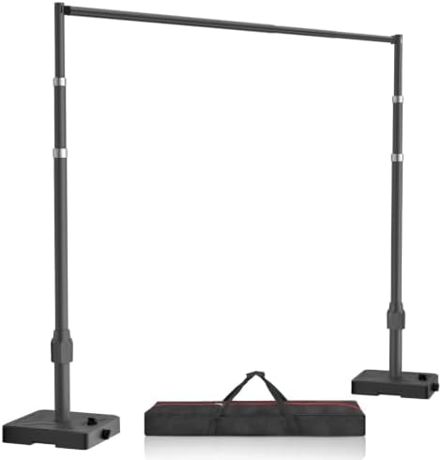
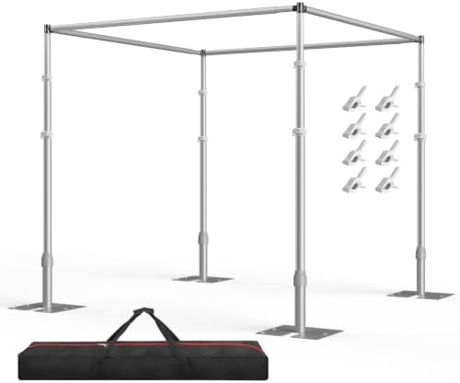
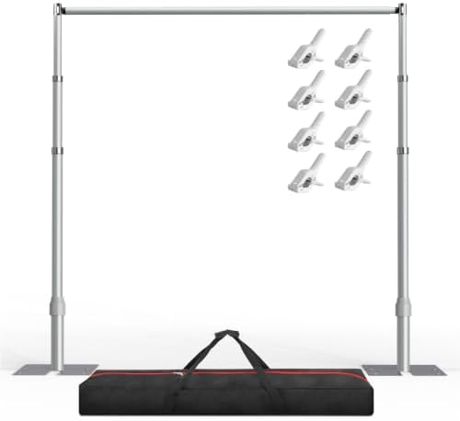
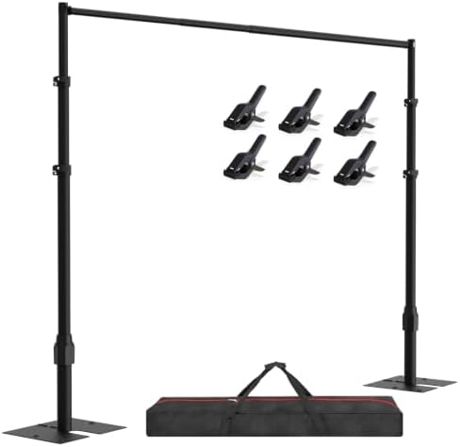
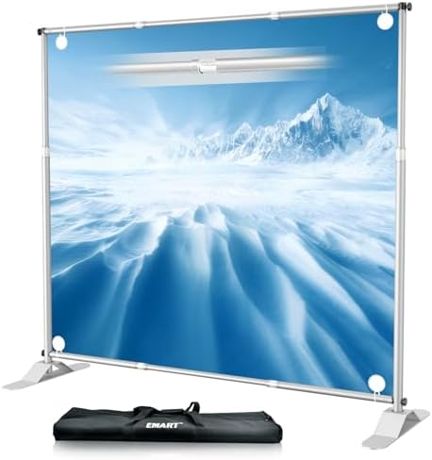
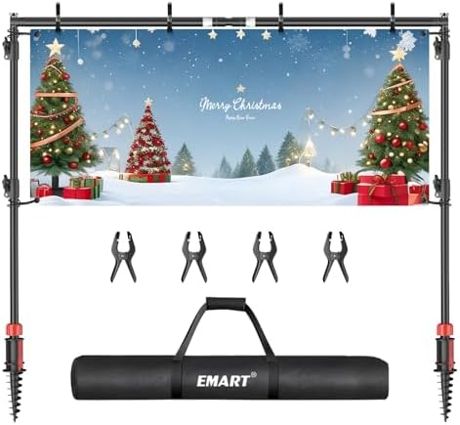
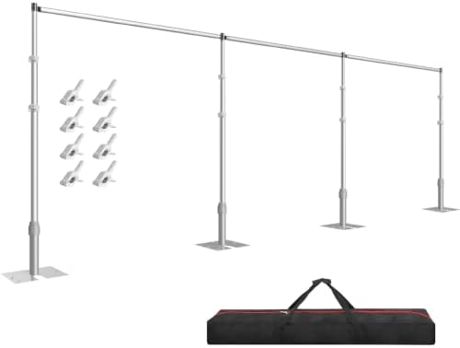
The range splits three ways. Light single-crossbar frames go up in a couple of minutes and live in a carry bag — these suit a spare room, a photo booth at an event, a seller shooting flat product against paper. Heavy-duty pipe and drape takes a weighted or water-tank base and a four-section crossbar, and it is what we would use for a trade stand or a ten-foot run of fabric that has to stay flat all weekend. In between sit the T-shape and two-in-one frames: one upright and a short bar for a seated portrait, a second configuration for a banner.
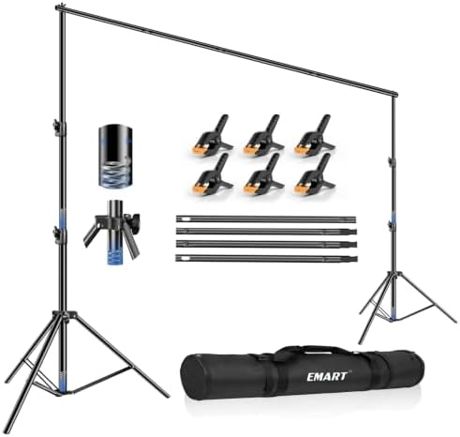
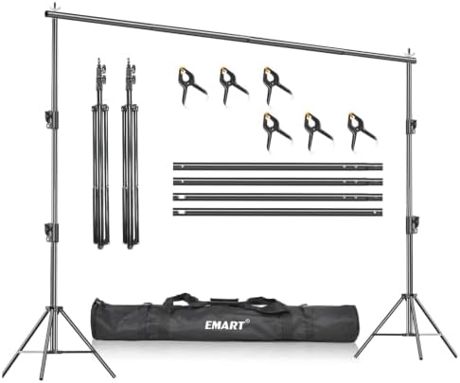
Each kit on this shelf lists the span, the working height, the material of the column and what is in the carry case — clamps, spring clamps, sandbags, hooks. We do not quote a load figure we have not tested on the bar, and we do not describe a frame as heavy duty because it is painted black.
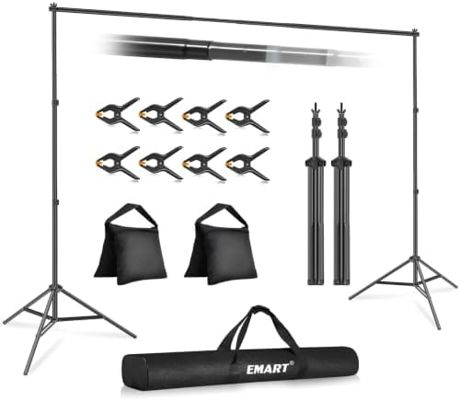
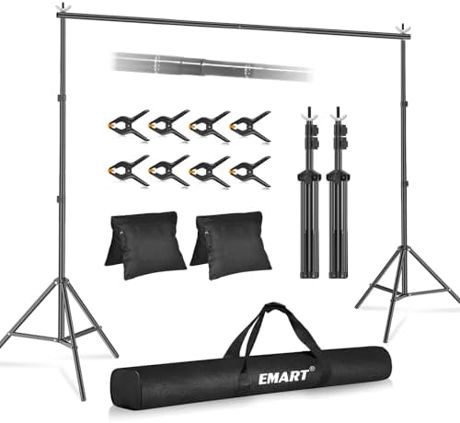
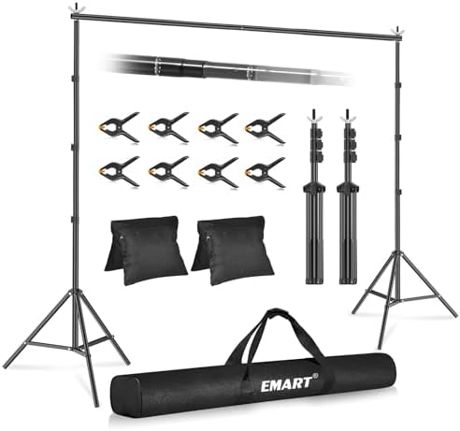
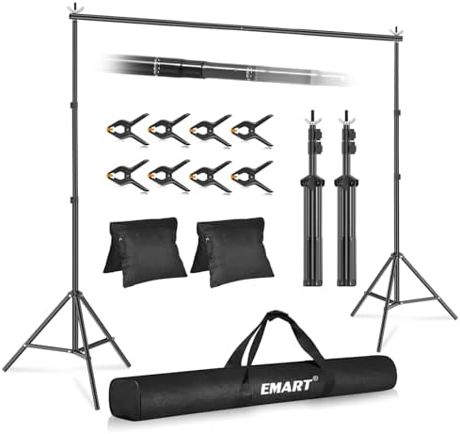
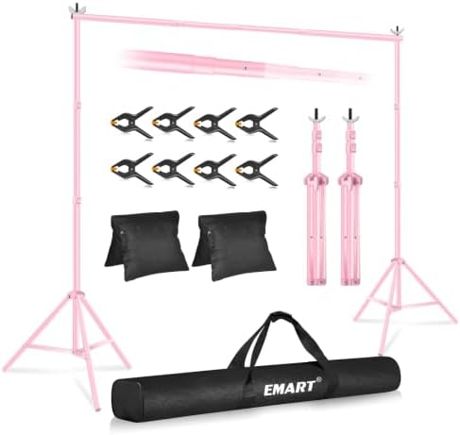
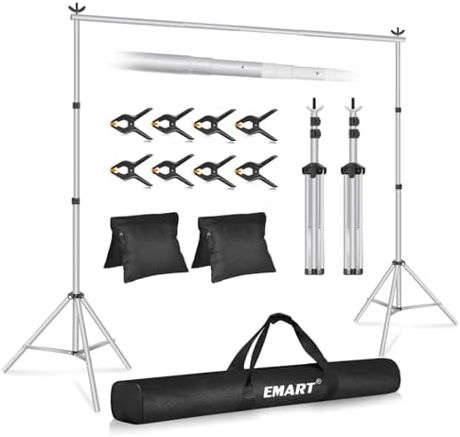
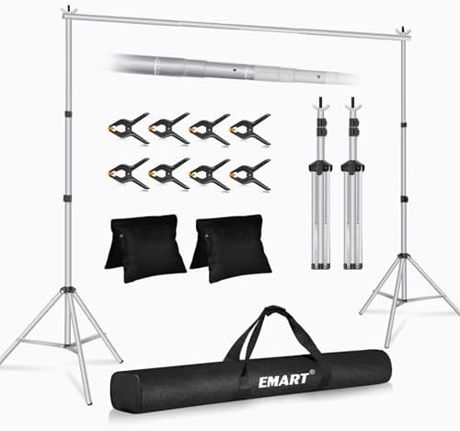
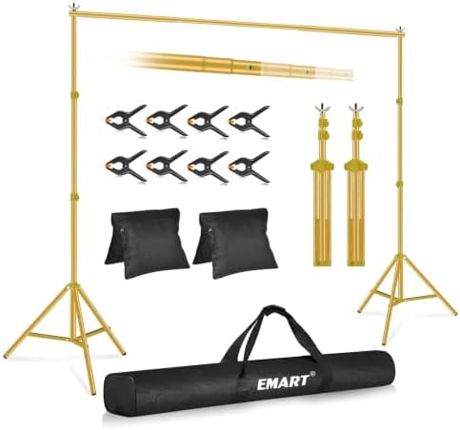
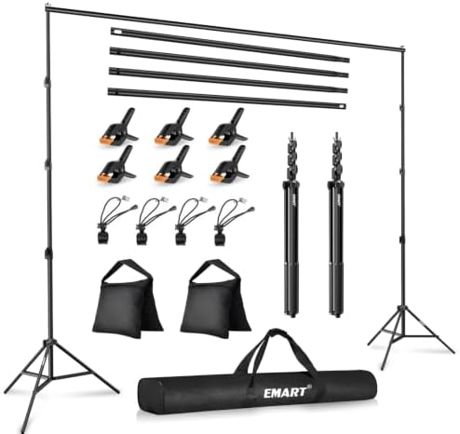
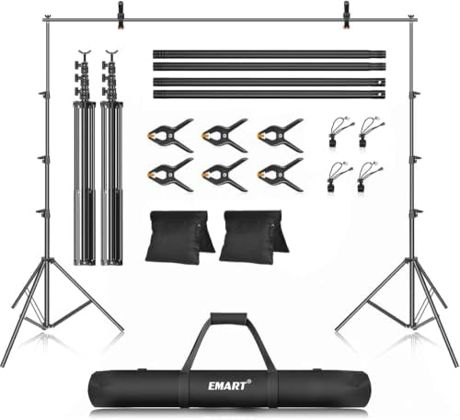
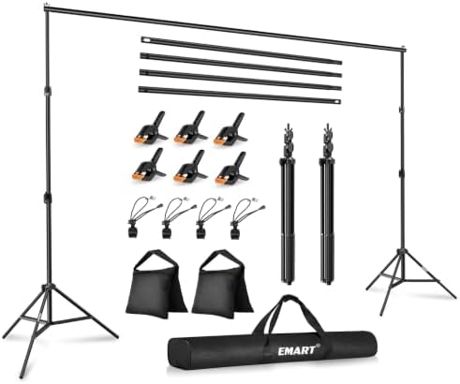
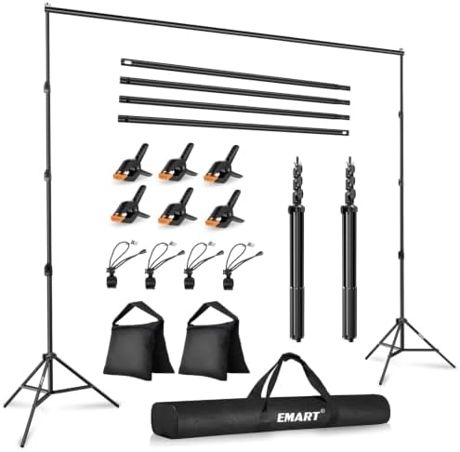
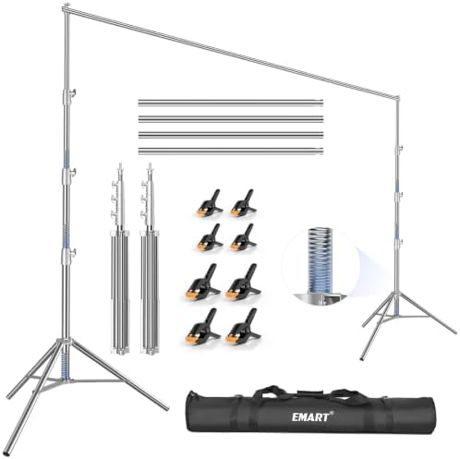
Setup is the same on every frame here and worth reading once. The sections are telescopic: you assemble the stand by pulling each tube up and locking it, not by sorting parts on the floor. Square the legs wide before you load the crossbar — stability comes from the base rather than the column, and a tripod base stays stable on a floor with cables across it. Then weight the feet. A sandbag on each leg is the whole of what keeps a loaded background still indoors; at an event, use two, because a backdrop in moving air behaves like a sail and the frame is the lightest thing in the room.
The fabric is held with spring clamps at the corners and hooks spread along the bar, which keeps the top edge straight instead of scalloping between two points. Hang the background slightly narrower than the span so there is tension to pull against. Everything folds into the carry bag it arrived in: the columns come down to one compact tube, the clamps live in the same package as the cloth, and the whole support system transports in one hand. Care is wiping the sections down and storing them dry — grit in a joint wears a section faster than anything you will do on a shoot.
How an EMART photography backdrop stand fits the rest of the set
A photography backdrop stand is the purchase everything else on this floor hangs off. The frame and the crossbar carry the height; a background stand of the right span lets you hang a seamless white sweep, a black drape, a muslin cloth or a green panel without changing anything else in the studio. The support system you pick decides the types of work the room can serve: portraits and headshots, recorded interviews, pet photography, weddings, and the photo booth people queue at in the corner. Choosing is mostly about space. Measure the wall, position the feet clear of the walkway and leave a little extra so an additional panel or a prop can go in without everything having to move. The telescopic sections are adjustable, so one frame fully expanded will accommodate a ten-foot background and the same frame closed will suit a five-foot panel. A spring clamp secures the top edge, hooks spread the hang along the bar, and nothing about the setup has to change when the shoot does.
Build quality on a support stand is a dull conversation and the only one worth having. Aluminum alloy keeps a frame portable and is the popular choice for gear that travels; heavy metal gives enhanced stability and is the professional answer where a rig stays put. Either way durability lives in the locking collars and in the fitting at the top of the tube, not in the finish — the excellent design is the one that still assembles quickly after a year. The package arrives as a carry bag with the sections inside, compact and stable to transport in two hands, so you can create a set directly out of the bag without needing tools. Care is standard: wipe the metal, keep the clamps together, roll fabric rather than fold it and a wrinkle stops being something you plan around. That is the whole of the practicality argument, and it is why a powerful specification matters less to a pro than a frame that opens, holds and comes home.
Asked between takes
How tall should a backdrop stand be?
For a seated portrait, working height of about seven feet keeps the top edge of the background out of frame. For standing, full-length shots, plan on eight and a half feet or more, so the fabric clears the subject's head and the hem still reaches the floor without pooling. Every frame in this section prints its own height, so read that figure rather than guessing from the photograph.
What is a backdrop stand used for?
It holds a background up so you can control what is behind the subject. Portraits, product shots, interviews, photo booths and event walls all come down to the same job: a clean, even surface that does not move while you work. The support system carries the background; the clamps and hooks hold it; the sandbags keep the base honest when somebody walks past.
Does the frame need sandbags?
Any time the stand is fully extended, carrying a heavy drape, or standing where people move — yes. A backdrop stand is light because it has to travel, and the thing that makes it stable is weight at the feet, not the frame itself. Fill the bags on site with sand, gravel or soil; shipping them full would cost you more than the kit.