Single, double and triple crossbar: choosing a photography backdrop stand
Three crossbars on a photography backdrop stand look like three prices. They are really three different jobs.
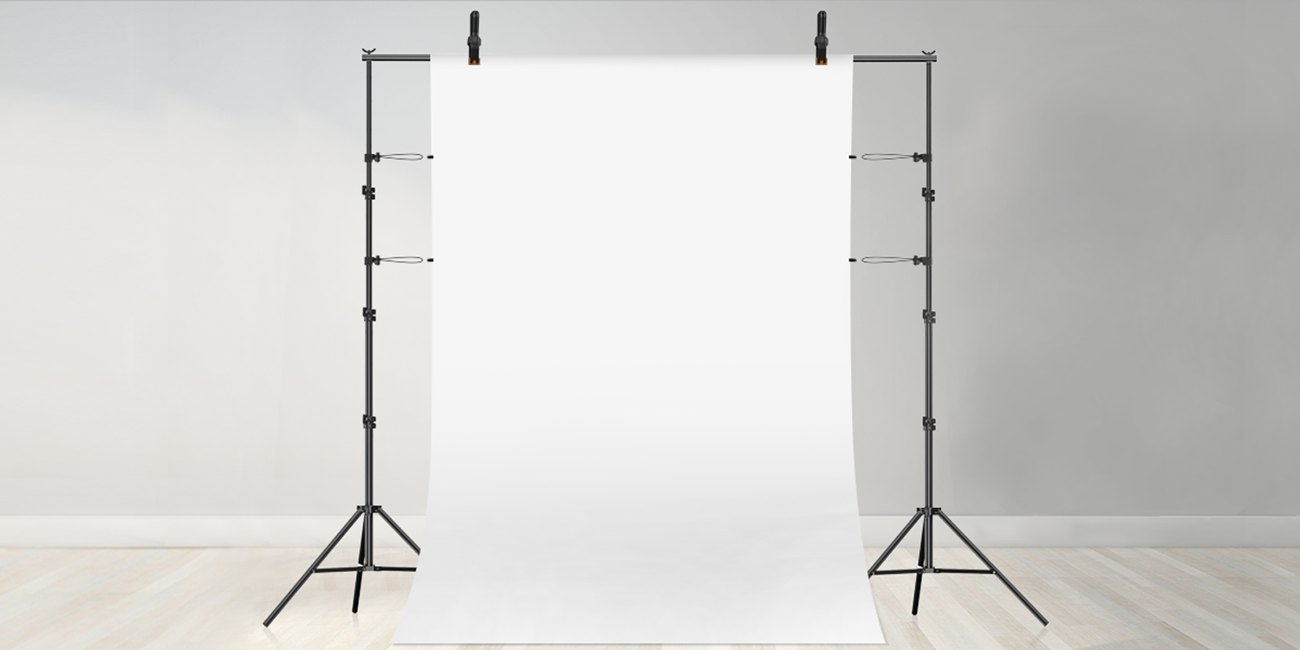
One bar, one background
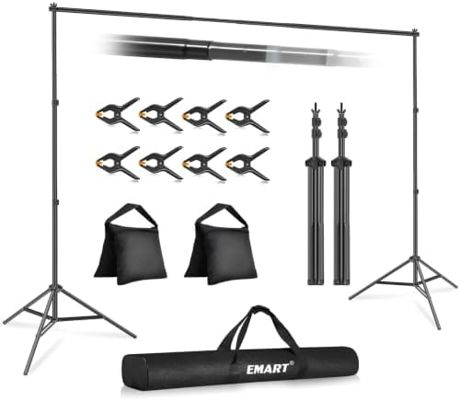
A single crossbar is the frame most people need. Two uprights, one telescopic bar, one background hanging from clamps or hooks. It spans the wall behind a seated subject, it accommodates a standard ten-foot backdrop and it goes up in the time it takes to boil a kettle. If you photograph people one or two at a time, against one colour, this is the whole answer and the rest of this page is interesting rather than useful.
The limit of a single bar is width and weight together. Run a heavy fabric background across a full ten feet and the middle of the bar will sit lower than the ends. You can see it in the photograph as a slow curve in the top of the frame, and once the subject is lit you cannot crop it out. The fix is not a longer bar.
Two bars, two looks
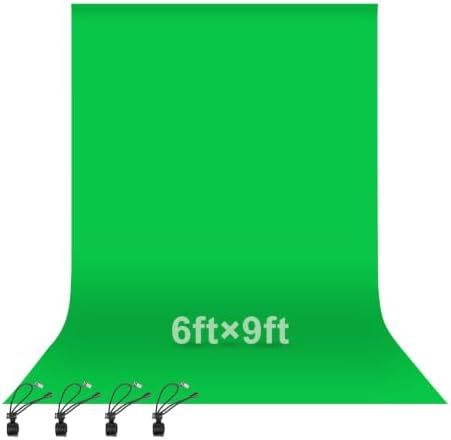
A double crossbar carries two backgrounds on the same frame. In practice that means a grey on the front bar and a green screen on the back, and a shoot where you change the look by pulling one drape aside instead of restringing the whole stand. For an event photographer running a photo booth with two setups, or a studio shooting portraits and chroma key on the same afternoon, the second bar saves more time than it costs to carry.
It also stiffens the frame. Two bars at different heights brace the uprights against each other, so a double rig holds a heavier drape flatter than a single rig of the same span.
Three bars and the wall of fabric
Triple crossbar systems exist for one reason: a continuous run of drape that is taller than one panel of fabric. Trade stands, stage backings, room dividers at a venue. Three bars at graduated heights let you hang three bands of fabric so the seams fall where the eye does not look, and the result reads as a wall rather than a backdrop.
This is also where the base changes. A triple rig wants weight at the feet — sandbags at minimum, a water tank base if the floor is hard and the room is busy. The frame is not heavier than a single stand by very much; the fabric is, and the fabric is what catches a draught.
Choosing by room, not by budget
Measure the wall first. A ten-foot frame in a nine-foot room is a frame you will always set up at eight feet, and you will have paid for the extra span twice — once at purchase and once every time you carry it. Then measure the ceiling. Height is the specification people regret: a stand that tops out below the top of a standing subject leaves you shooting slightly upward at a visible edge.
After that, count your backgrounds. One background, one bar. Two backgrounds you switch between, two bars. A wall of drape, three. Price follows the bar count, but the decision should not.
Choosing an EMART photography backdrop stand for the job
Bar count is one decision out of four, and the other three matter more. Size comes first: measure the wall across, take a foot off each end for the legs, and the rest is the span a support stand can honestly accommodate. Height is second, and it is the figure people change their mind about once a subject stands up — seven feet suits seated work, a standing full-length shot wants the sections fully expanded so the top edge of the surface stays out of shot. Third is what hangs on it: a seamless white sweep, a black drape, a muslin cloth, a green panel. Only then does bar count matter. One frame will serve types of work that look unrelated — portraits, recorded interviews, pet photography, product photo work, weddings and the booth people queue at — and the background stand does not care which, provided the span is right.
The parts that decide quality are the ones nobody photographs. Aluminum alloy keeps a frame portable and is the popular choice for gear that travels; heavy metal gives enhanced stability and is the professional answer where a rig stays put. Durability is in the locking collars and the fitting at the top of the tube rather than in the finish, and a standard mounting thread is essential because it lets a crossbar from one kit assemble onto uprights from another without needing an adaptor. A spring clamp secures the top edge and hooks spread the hang. The package folds into a carry bag, compact and stable to transport in two hands, so setup is quick and you can create a set directly out of the bag. Care is standard: wipe the metal, roll the cloth so a wrinkle never shows, store it dry. Practicality beats any powerful or excellent-sounding specification on the label.
Before you buy, in five lines
- Measure the wall and the ceiling before you read a single price.
- Buy the span that leaves you somewhere to clamp, not the span that exactly fits the fabric.
- Count the backgrounds you actually switch between — that is your bar count.
- Budget for a spring clamp at each corner and hooks for the middle.
- Add weight at the feet for anything at an event or above head height.
Asked between takes
How tall should a backdrop stand be?
For seated portraits, seven feet of working height is enough to keep the top edge of the fabric out of frame. For standing full-length shots, plan on eight and a half feet or more so the background clears the subject's head with room to spare, and so the hem can pool slightly on the floor rather than stopping at ankle height.
Do I need sandbags on a single crossbar stand?
Indoors, with nobody walking behind the frame, usually not. At an event, always. A loaded crossbar puts the weight high, and a backdrop behaves like a sail in any moving air, including a doorway being opened.
Can one stand take different widths of background?
Yes — the crossbars are telescopic, so a frame rated for a ten-foot span will also hold a five-foot panel. Clamps let you gather the fabric at whatever width you are shooting. Going the other way does not work: a short bar does not become long.