EMART umbrella lighting kits with stands for photography
Shoot-through and reflective EMART umbrellas, translucent white and black-silver, sold as single heads and as full studio sets with the light stands photography needs.
19 results in Umbrella Lighting Kits
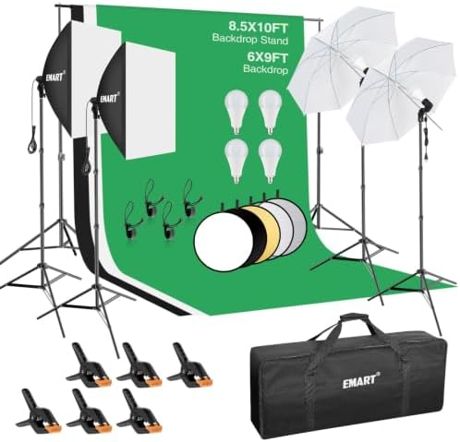
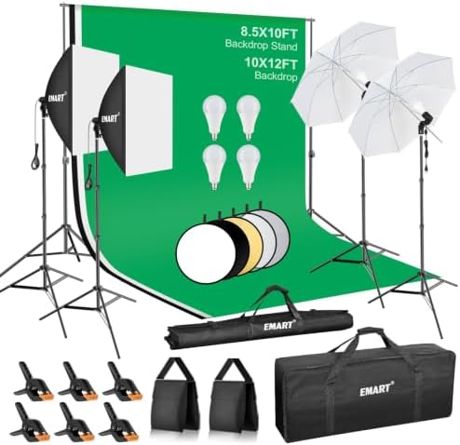
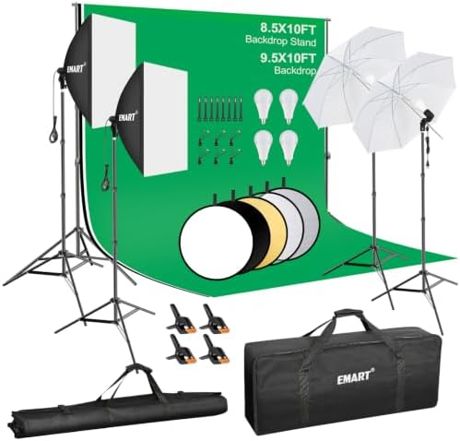
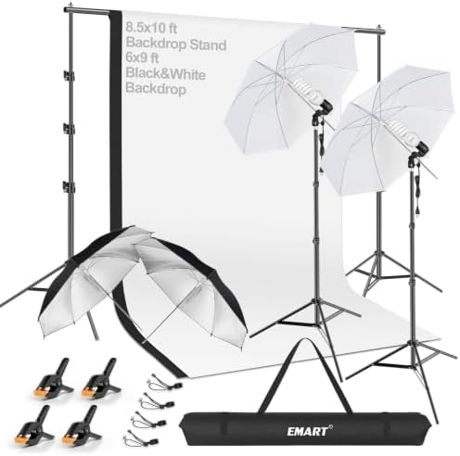
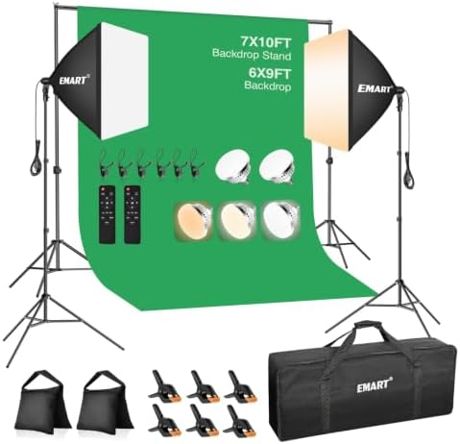
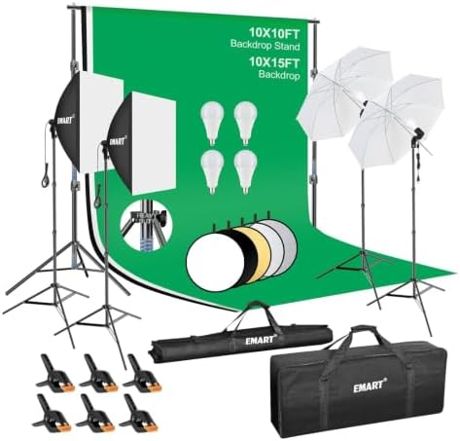
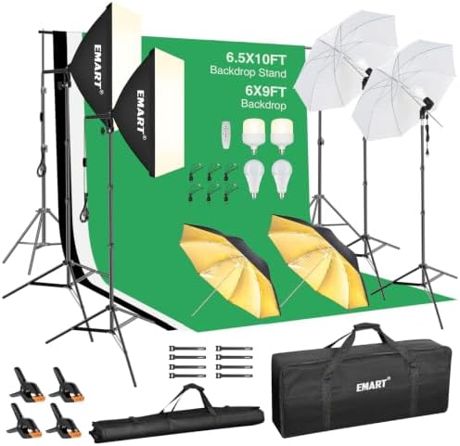
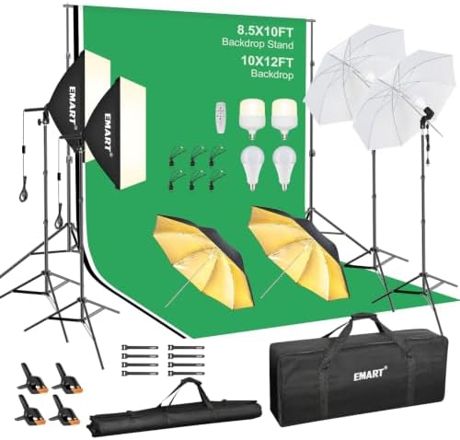
About umbrella lighting kits
An umbrella is the fastest soft source there is. It opens like an umbrella, it mounts on a light stand in one turn of a knob and it folds back down in less time than it takes to coil a cable. For a lot of shoots that speed is worth more than the extra control a softbox gives you, which is why our umbrella lighting kits stay in the range alongside the boxes.
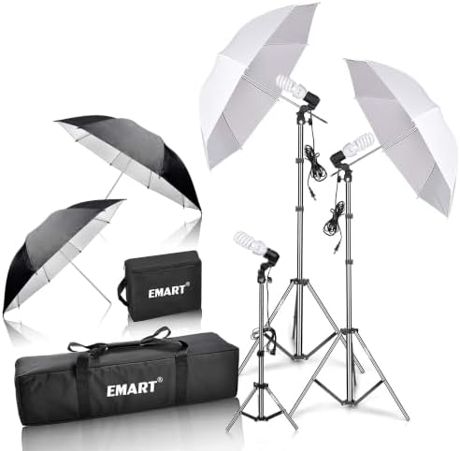
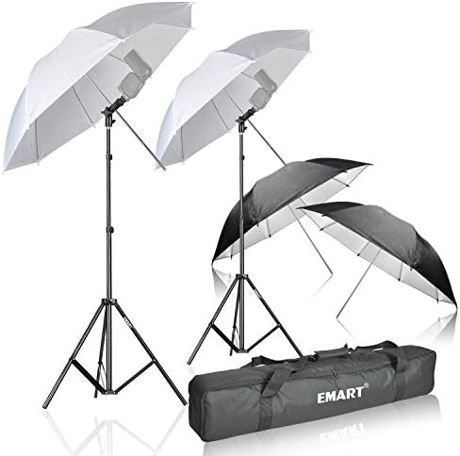
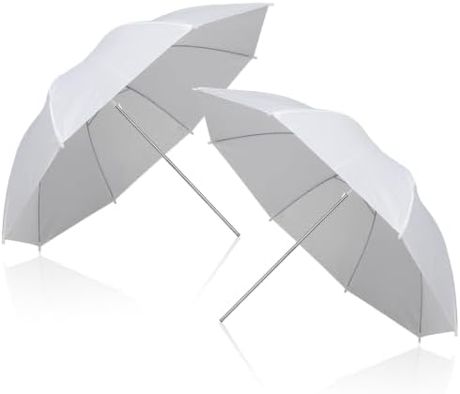
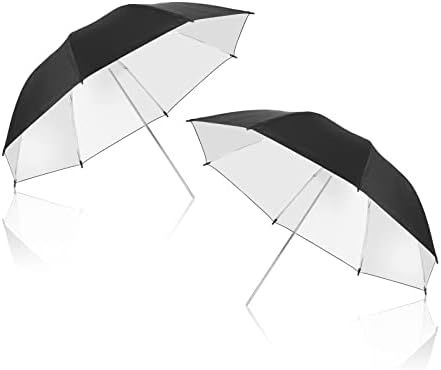
The choice is really between shooting through and bouncing. A translucent white umbrella in front of the lamp gives broad, forgiving light that wraps around a face — good for portraits, interviews and anything where the subject moves. A black-and-silver reflective umbrella throws the light back at the subject with more punch and less spill behind the head, which helps in a small room where the walls keep adding light you did not ask for.
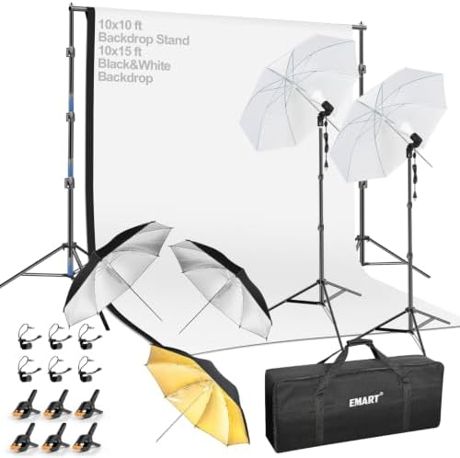
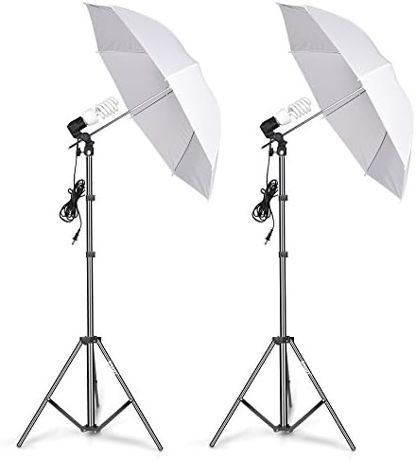
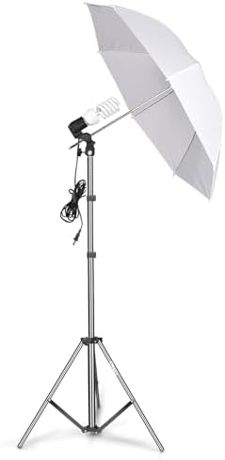
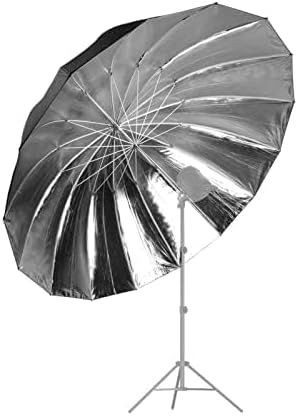
Kits here ship with the lamp, the umbrella, a tilt bracket and a stand, in one-, two- and four-head sets. Wattage and colour temperature are listed on each page, along with the diameter of the umbrella, because thirty-three inches of diffusion behaves very differently from forty-five.
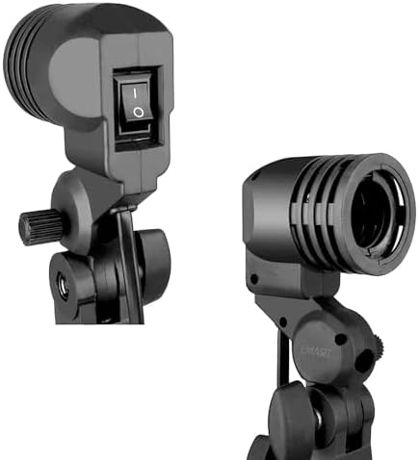
An umbrella kit is the quickest set on the floor to assemble. Extend the stand, square the legs, clamp the tilt bracket, push the shaft through the collar and open it like an umbrella. There is no fitting to work out and nothing to thread. Reflective and shoot-through are the same mounting, so you can swap heads mid-shoot. Weight the base before you raise the column: an open umbrella catches every draught through a doorway, and the taller the stand the less stable it is without a sandbag at the feet.
Two heads and a little height will light a standing subject. Raise the key above eye level, angle it down so light falls the length of the body, and use the second to lift the shadow at the feet. If the room is small, a reflective umbrella keeps spill off the walls and the background, which is the usual reason a portrait looks flat in a spare room. The whole kit folds to the length of a forearm and transports in one carry bag with the stands; the umbrella itself asks for nothing beyond being stored open-side down so the ribs keep their shape.
Umbrellas beside an EMART photography backdrop stand
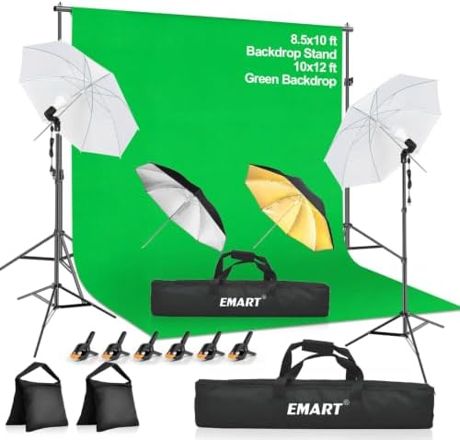
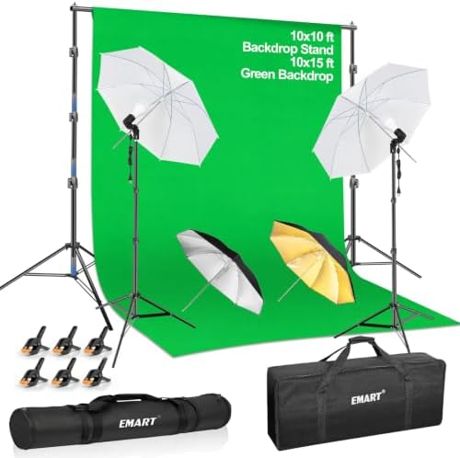
An umbrella is the fastest soft light there is, and it still needs something to light. These kits are bought alongside a photography backdrop stand because the background is the second subject in every frame: a third head on a seamless white, black, green or muslin surface is what stops a portrait looking stuck to the wall. One pair of heads will serve types of work that look unrelated — portraits, recorded interviews, pet photography, product photo work, weddings and an event booth — and the support stand behind the chair is what ties them together. Choosing is a space problem. Measure the wall, position the feet clear of the walkway, and allow for a column fully expanded taking more floor than a background stand. Leave extra width so an additional head or a prop can go in, and keep the subject a step forward rather than directly against the cloth so the light has somewhere to fall off.
What decides quality is the shaft, the collar and the fitting. Aluminum alloy keeps a column portable and is the popular choice for gear that travels; heavy metal is the professional answer for a studio that never packs down. Durability is in the tilt bracket and the mounting tube rather than the cloth, and a standard thread is essential because it lets a head from one kit assemble onto another without needing an adaptor. Reflective and shoot-through share the same mounting, so swapping mid-shoot is quick and the design does not fight you. The whole package folds to the length of a forearm, drops into the carry bag compact and stable, and transports in one pair of hands. Care is minimal — store it open-side down so the ribs keep their shape, wipe the metal, and a wrinkle in the cloth never shows. Practicality here beats any powerful or enhanced number on the box, and an excellent kit is simply one that creates the same light every time.
Asked between takes
What is the difference between a shoot-through and a reflective umbrella?
A shoot-through umbrella is translucent: the lamp fires through the fabric, giving broad, wrapping light that spills everywhere, which is forgiving in a small room. A reflective umbrella has an opaque back: the lamp fires into it and bounces, which is more directional and more efficient. Most kits here give you both so you can test the difference in your own space.
Why choose an umbrella over a softbox?
Speed and bulk. An umbrella opens in a second, folds to the length of a forearm and fits in the same carry case as the stands. A softbox holds its shape and controls spill better, but it takes longer to rig. If you shoot on location and carry your own gear, the umbrella usually wins on the days that matter.
Can an umbrella kit light a full-length shot?
With two heads and a little height, yes. Raise the key above eye level and angle it down so the light falls the length of the subject, then use the second head to lift the shadow at the feet. The stands in these kits print their working height, which is the figure that decides whether this is possible in your room.