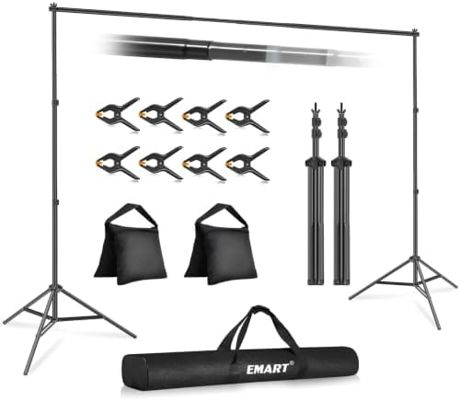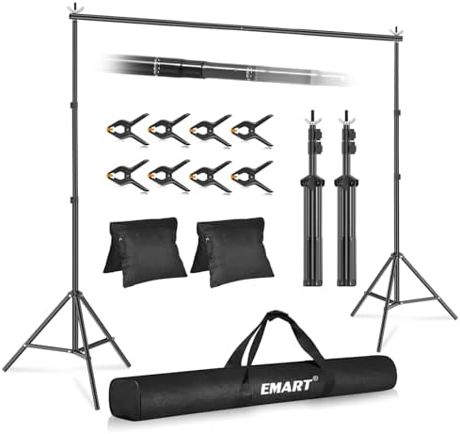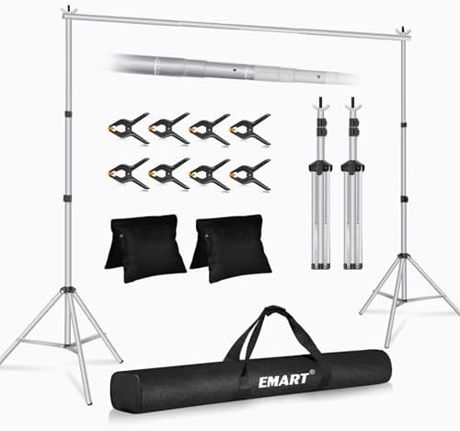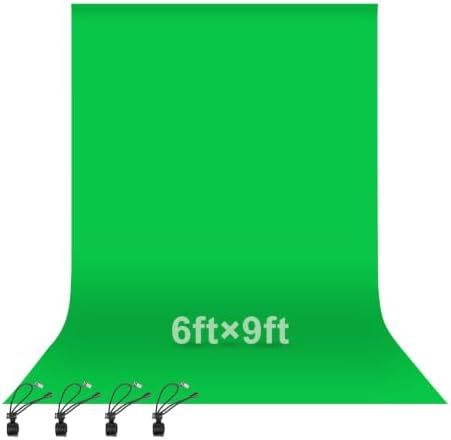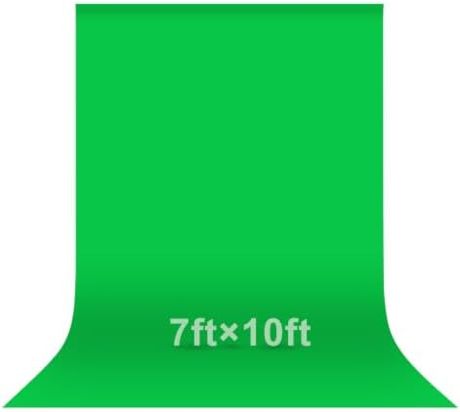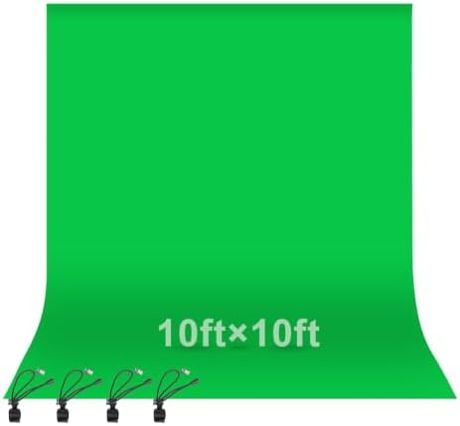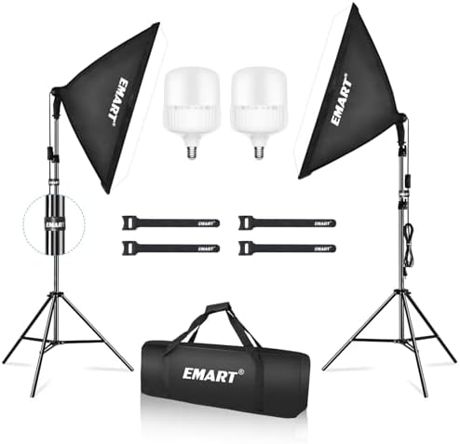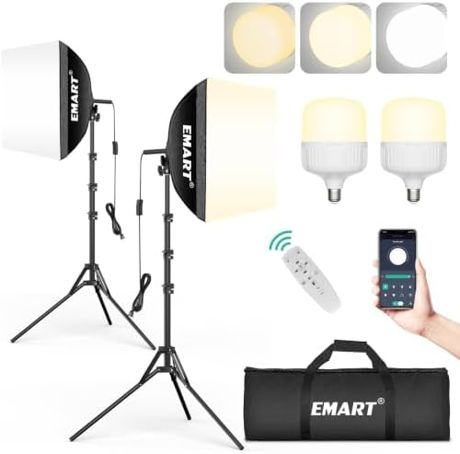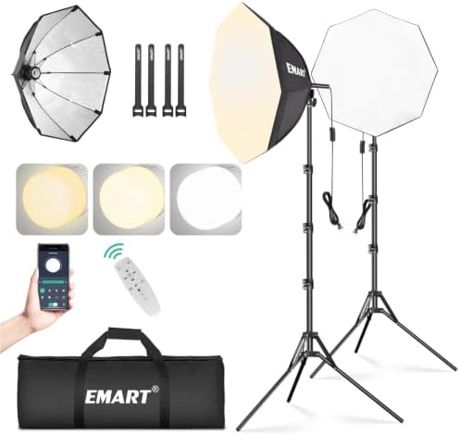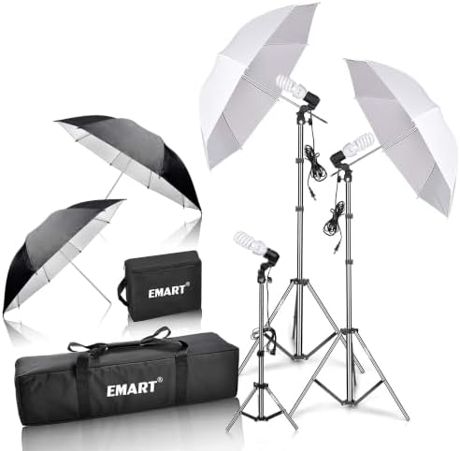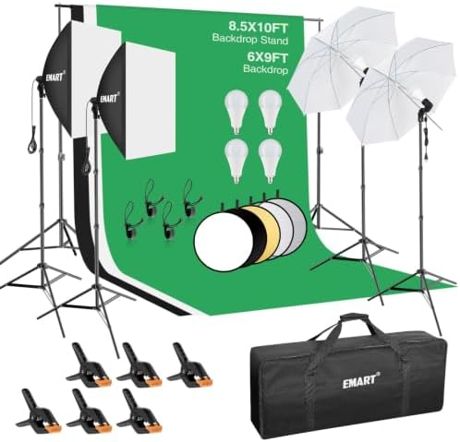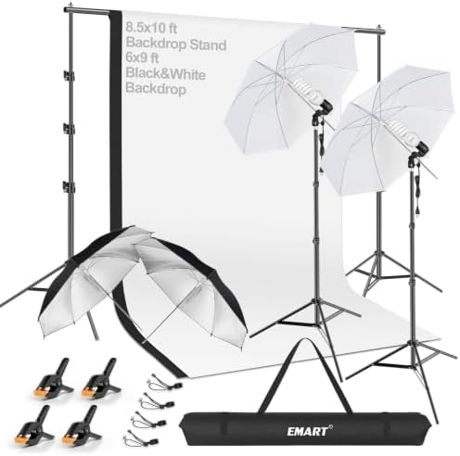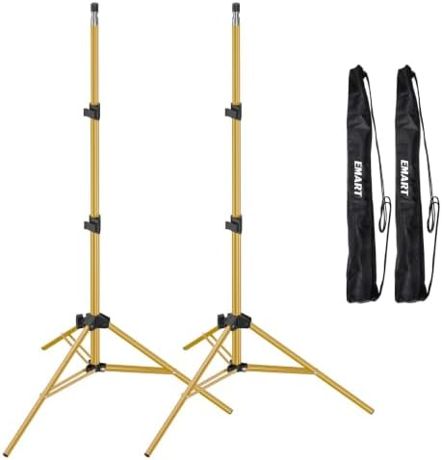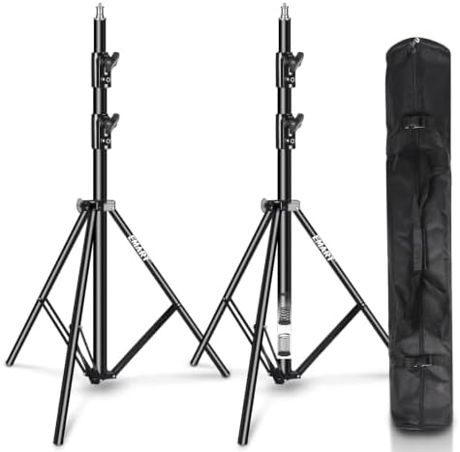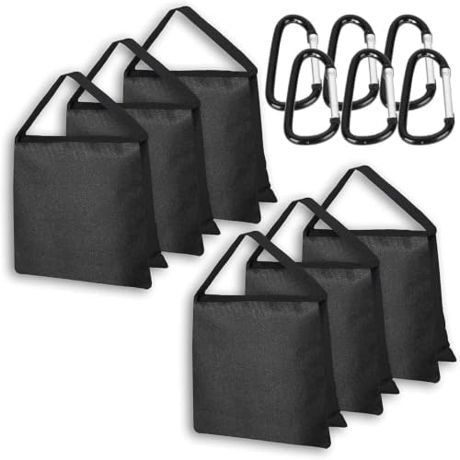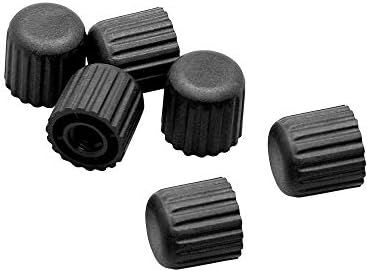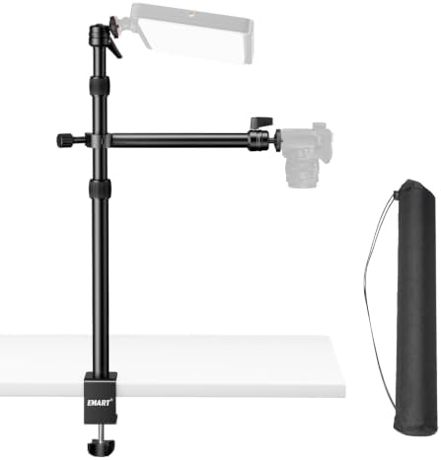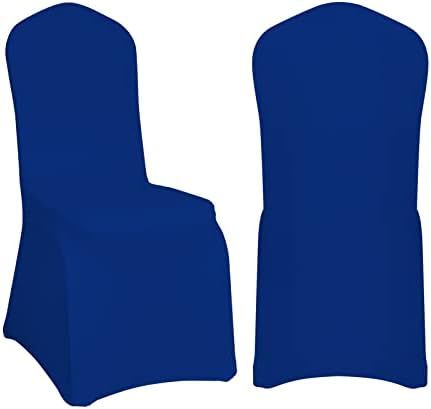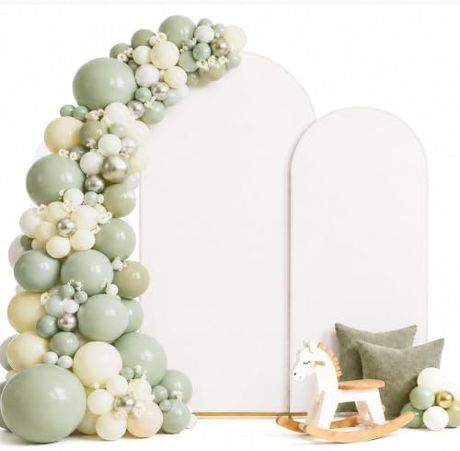
Who holds the sandbags behind EMART photography backdrop stands
The people who make the photography backdrop stands, lighting columns and clamps that hold up somebody else's photograph — and how EMART sizes them.
Why we only make the boring half
We do not make cameras and we do not make lenses. We make the frame the background hangs on, the stand the light sits on, the clamp that holds the arm, the bag it all travels in. It is the half of a photography kit nobody photographs, and it is the half that decides whether a shoot takes forty minutes or two hours.
That focus is deliberate. A backdrop stand is a simple object and almost all of it is detail: how the sections lock, how wide the base sits, whether the crossbar sags at full span, whether the clamps survive a year in a bag.
How we size things
We size by the job rather than by the round number. Seven feet because that is where a seated portrait needs the top edge. Ten by twelve because that is the smallest fabric that reliably covers a standing full-length frame with the hem on the floor. Thirty-three inch umbrellas because that is what fits in a spare room without lighting the walls.
Where a figure is on a page here — a span, a height, a rated load, a colour temperature range — it is read from our own product listing. We do not round it up to look better and we do not quote a best case.
Who ends up using it
Portrait photographers working out of a spare room. Sellers shooting product against paper on a kitchen table. People running photo booths at weddings. Streamers who need one green screen that folds behind a chair. Schools, churches and small venues that need ten feet of drape and one person able to carry it. Pet photographers, who have the hardest subject of all and the least time to set up.
None of them want a studio. They want the set up before the light changes, and that is what we build for.
What the range covers
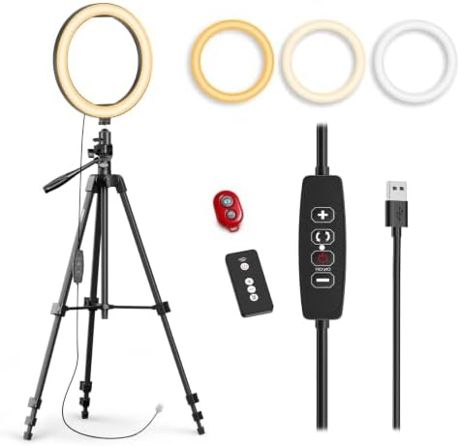
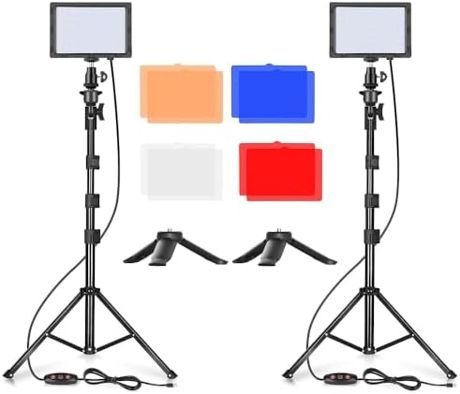
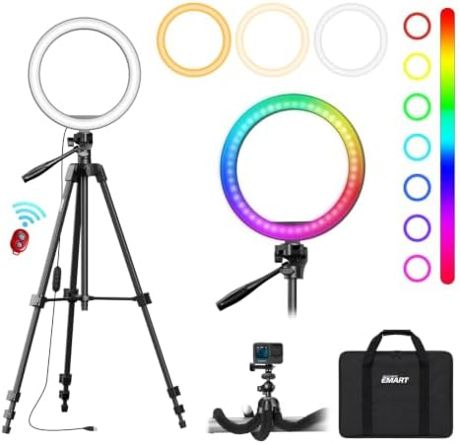
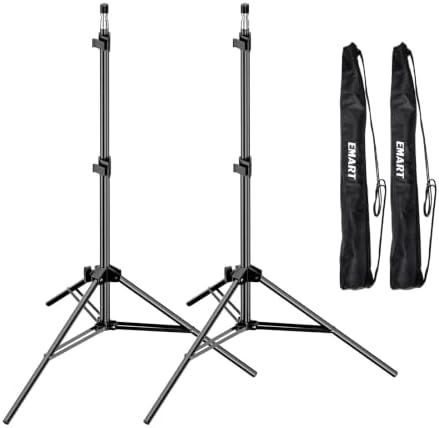
Eight shelves, in the order a set gets built. Photography backdrop stands and pipe-and-drape frames carry the height. Green screens, muslin, polyester and paper give the camera a surface. Softbox and umbrella kits light the subject, ring lights and panels light a face talking to a phone, and light stands and tripods hold all of it at the height the shot needs. Then the small metal: spring clamps, hooks, sandbags, magic arms, thread adapters and quick-release plates. Last, the event shelf — arch frames, stretch covers, easels and tablecloths, because the same frame that carries a background carries a flower arch.
Every one of those is sold as a package that works on its own. A lighting kit that quietly expects you to already own a stand is not a kit, and a backdrop stand sold without a single clamp is a way to arrive on location unable to hang anything.
How we think about durability
Gear like this is not broken by use, it is broken by transport. A stand spends an hour standing and a week in a bag being carried badly, so the quality that matters is in the locks, the joints and the fittings rather than the finish. Aluminium alloy keeps the weight low enough that the kit actually gets taken out; steel and stainless go where handling is rougher and nobody minds the extra weight.
We would rather be honest about the trade than describe a frame as professional because it is painted black. A compact, portable stand and a heavy-duty one are different tools, and the expensive mistake is buying the second when you needed the first.
What an EMART photography backdrop stand is made of
A support stand is a few tubes, a collar at every joint and one fitting at the top, and the quality of the whole thing lives in those three. Aluminum alloy is the popular choice where a background stand has to travel, because the material keeps the weight inside one pair of hands; heavy steel and the small metal around it go where a rig stays put and enhanced stability matters more than carrying it. Durability shows in the locking collar and the top of the tube rather than in the finish — an excellent design is one that still secures a telescopic section quickly after a year of being thrown in a car. Every crossbar and upright here takes a standard mounting thread, which is the essential part: it lets a bar from one support system assemble onto the legs of another, and it accepts a tripod head or a lamp without an adaptor.
Open the legs to their stops, position the base where nobody will kick a foot, and keep the heavy part of the load directly over it. That is the whole of stability on a photography backdrop stand, and it is why we would rather sell a stable frame at a modest span than a powerful-sounding one you set up short. A pro kit is not the expensive kit; it is the one you can create a set with in two hands while the light is still where you left it.
Who an EMART photography backdrop stand has to serve
The types of work our frames serve look unrelated until you watch them set up. Portraits against a seamless white sweep. Product photo work on a small table, where the background stand is folded almost shut and the surface runs across a desk. Recorded interviews on two chairs with a black drape behind them. Pet photography, where the subject does not care about your setup. Weddings and event dressing, where an adjustable frame fully expanded has to accommodate a ten-foot muslin or a green panel and then go back in its carry bag in the dark.
So we size for the room rather than for the catalogue photograph. Leave a little extra width so an additional panel or a prop can go in, keep the subject a step forward of the cloth so the edge of the fabric falls out of shot, and roll the surface rather than fold it so a wrinkle never has to be planned around. Collapsible screens, compact portable columns, hooks, clamps and the bag they all live in get the same care in general as the frame, because the piece that fails on location is never the one in the photograph.
Choosing between them is mostly arithmetic about space. Measure the wall, then the ceiling, then the tallest of the people who will stand in front of it: a frame that opens to ten feet does not suit a nine-foot room, and no amount of professional description changes that. The practicality of a package matters more than its spec sheet — what is in the box, what it weighs in transport, and whether one person can raise it without needing a second. When the room changes, the frame should be the part that adapts.