EMART green screen kits and photography backdrops
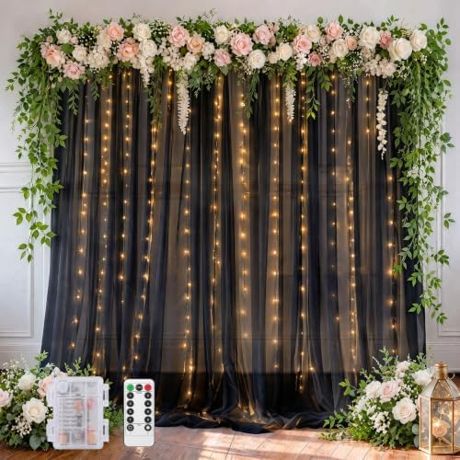
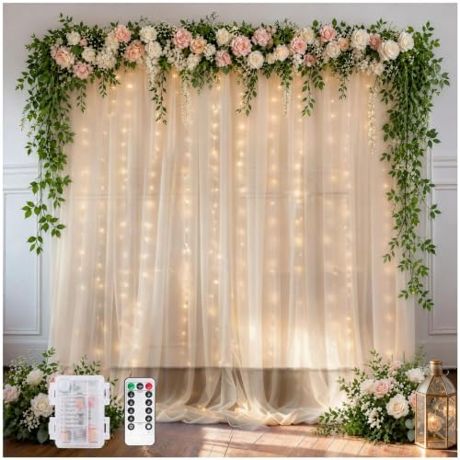
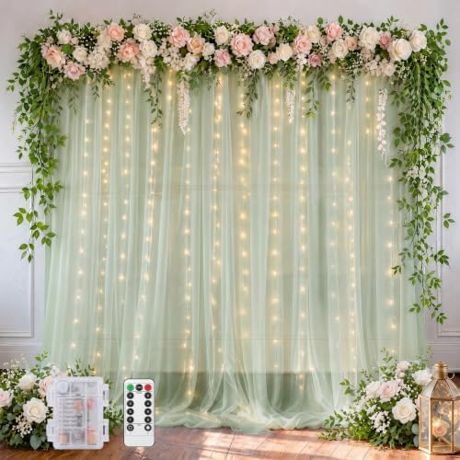
Chroma key panels, collapsible screens, washable polyester backdrops and tulle curtain sets from EMART — the fabric half of the set, cut to the span of our photography backdrop stands.
53 results in Green Screen & Backdrops
-
-
-
-
-
-
-
-
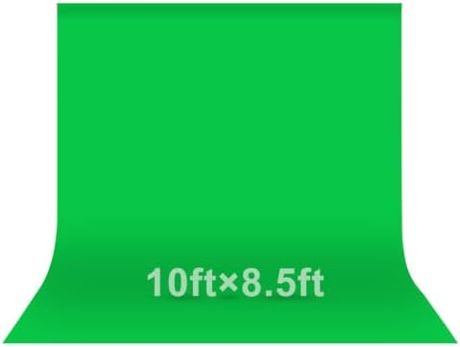
-
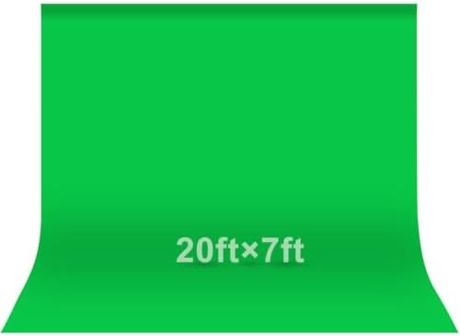
-
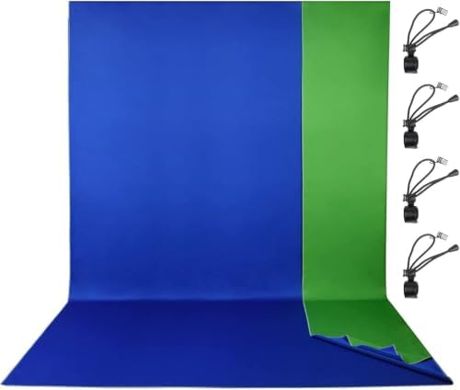
-
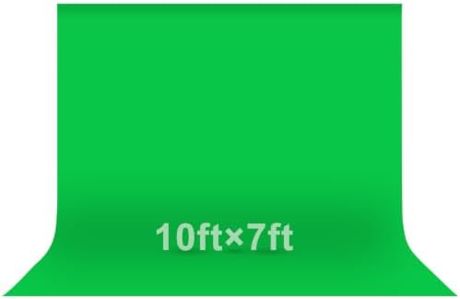
-
-
-
-
-
-
-
-
-
-
-
3ft
-
10ft
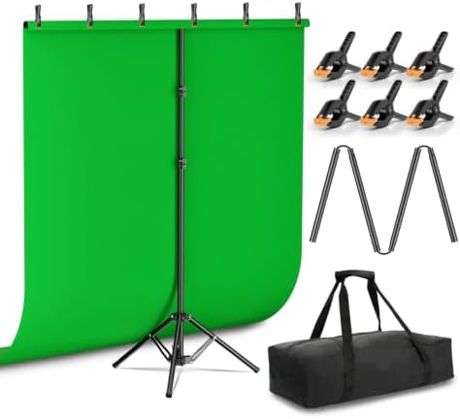
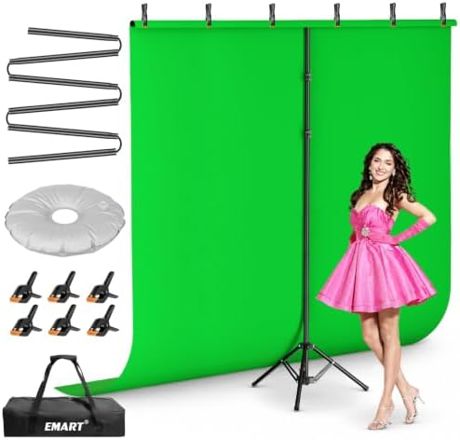
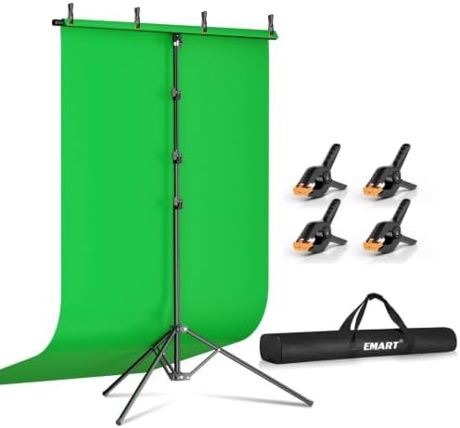
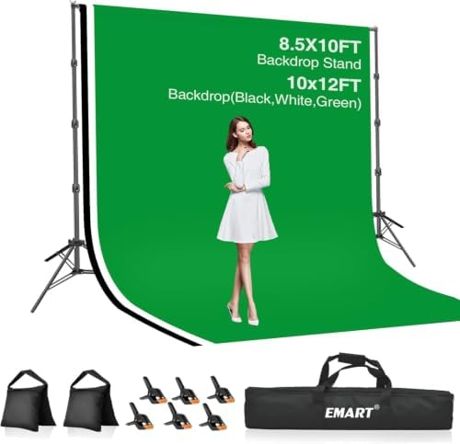
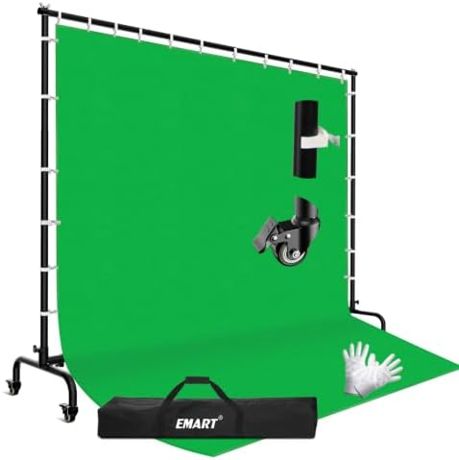
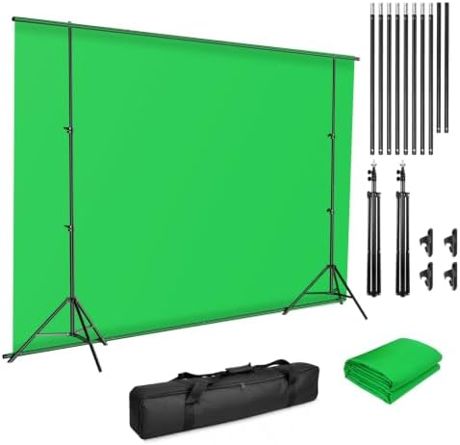
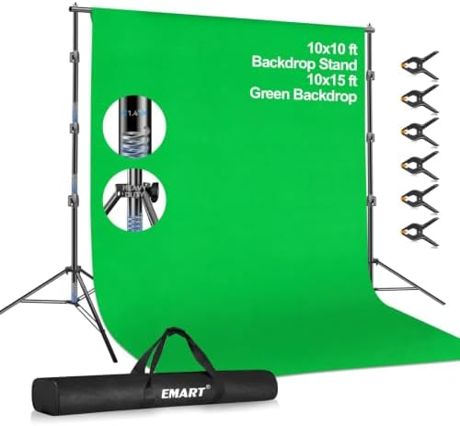 EMART Green Screen Backdrop Kit, 10x10FT Heavy Duty Backdrop Stand Kit
- Green Screen Backdrop
- 2 options
$9999
In Stock
-
7ft
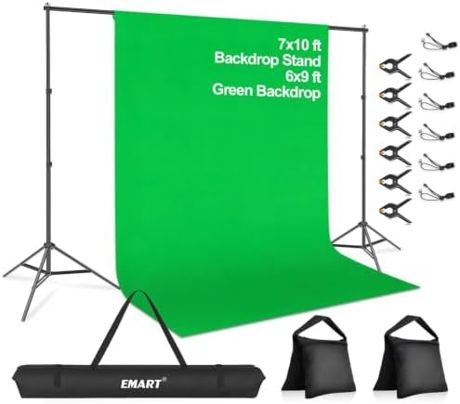
-
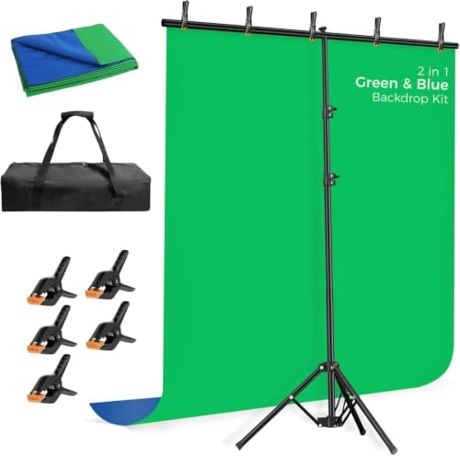
-
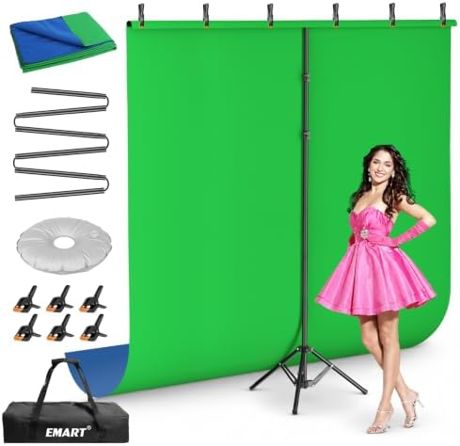
-
8.5ft
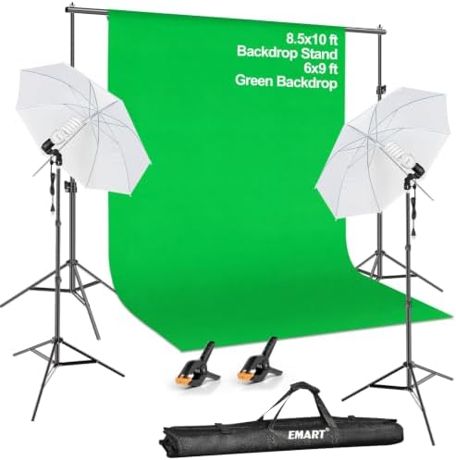
-
-
-
-
-
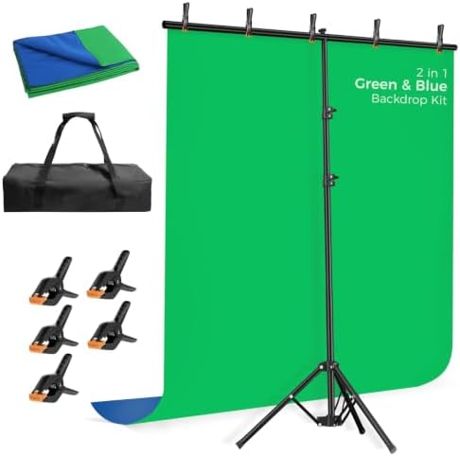
-
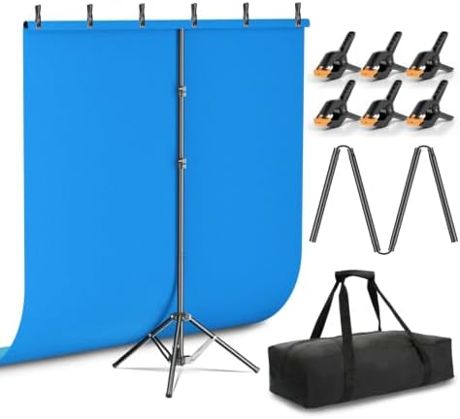
-
7ft
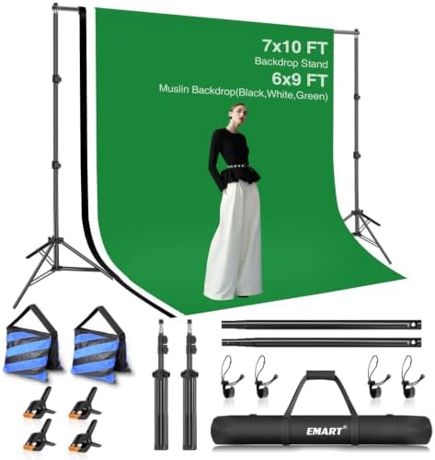
-
8.5ft
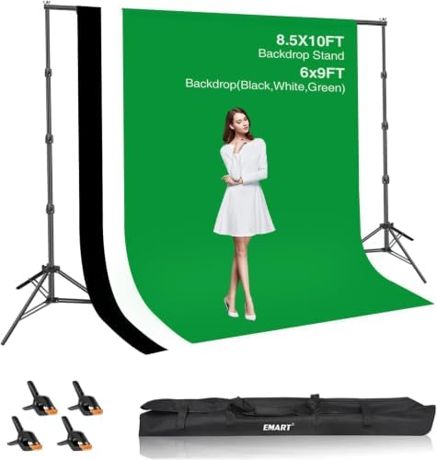
-
8.5ft
-
-
-
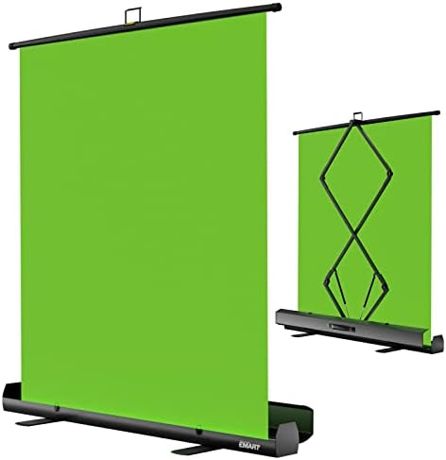
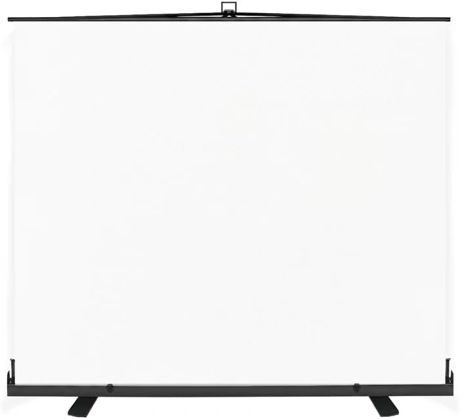
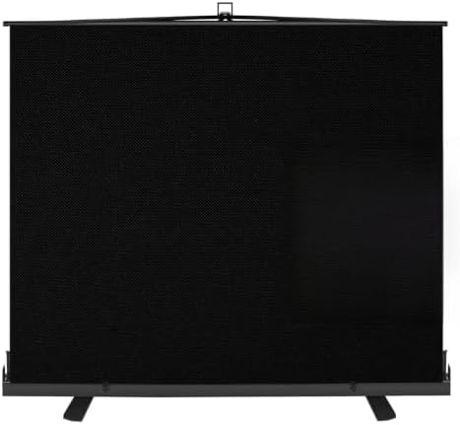
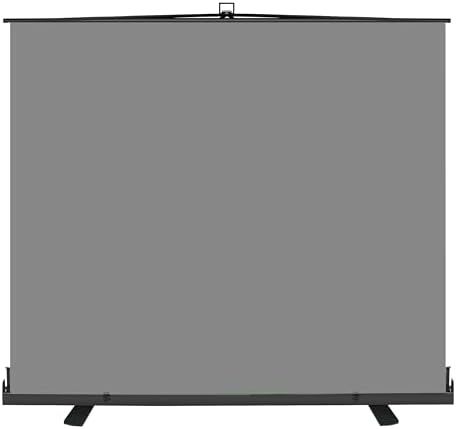
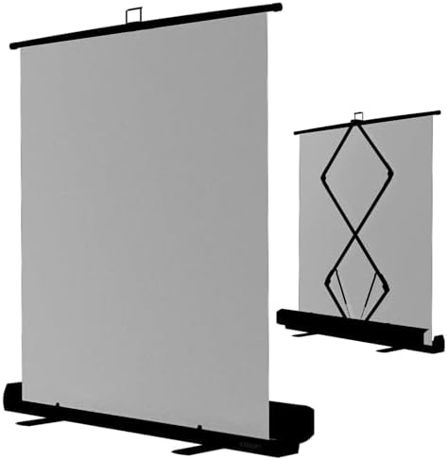
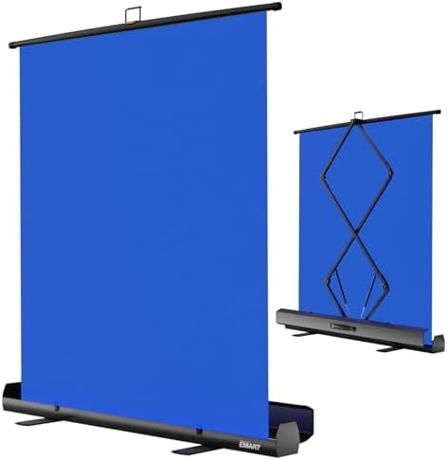
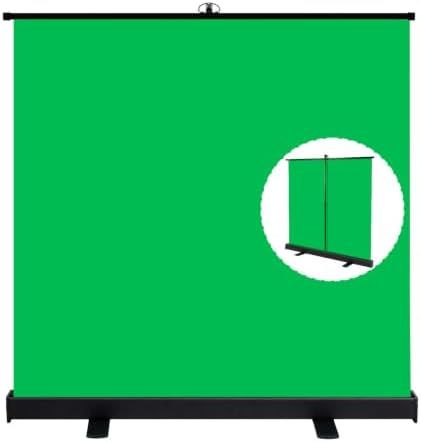
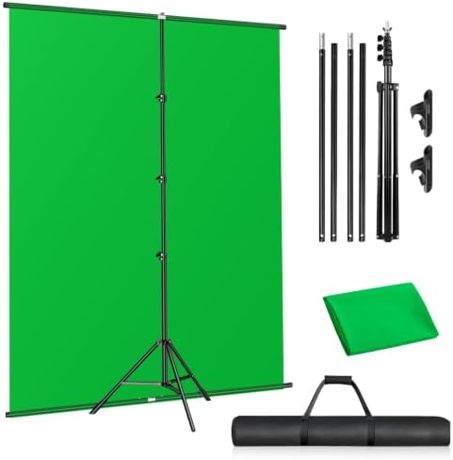
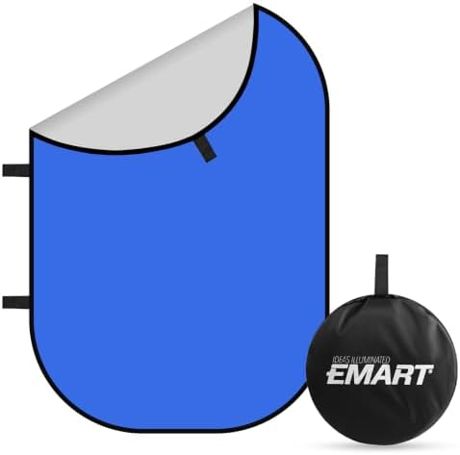
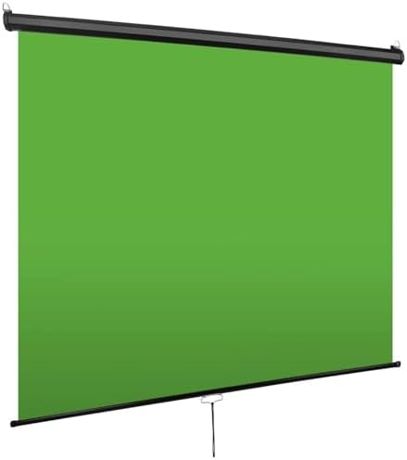 EMART Retractable Green Screen 75 x 79 Inch Collapsible Pull Down Chromakey
$13599
Currently unavailable
-
-
-
-
-
-
-
-
-
-
-
-
-
-
About green screen & backdrops
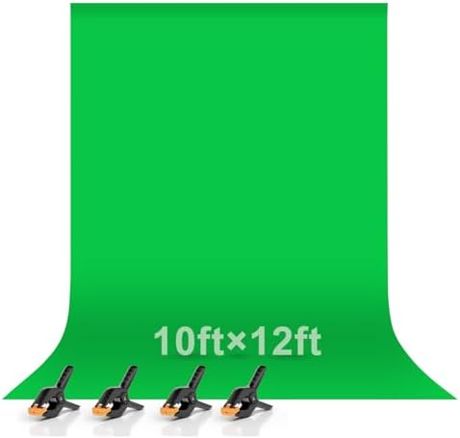
A photography backdrop is the cheapest way to change where a photograph was taken, and the easiest thing to get wrong. Too small and the edge of the fabric shows in a wide frame. Too shiny and the key light bounces back as a hot patch. Creased from the box and no amount of grading will save the key. We make our green screen backdrop fabric matte, seamless across the usable area and washable, because a screen that spends its life folded is a screen that has to recover from folding.
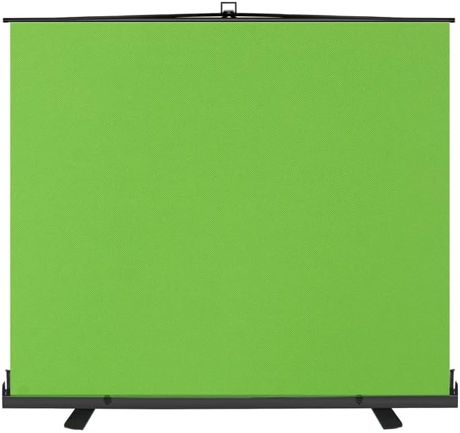
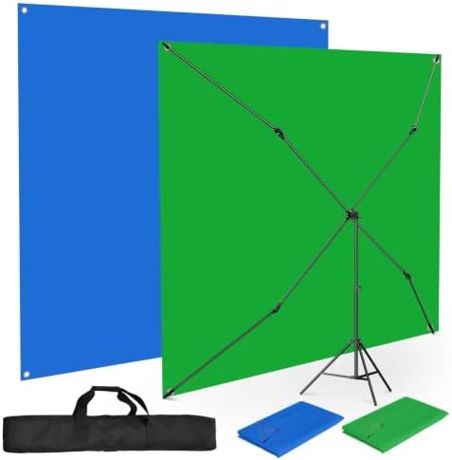
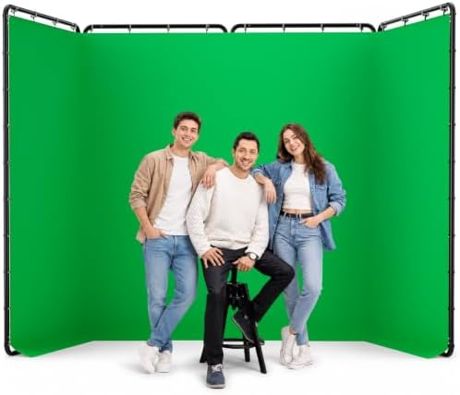
For chroma key work the two practical choices are a stretched screen on a T-shape frame and a collapsible panel on a spring hoop. The stretched screen gives you a larger, flatter surface for full-length shots and group interviews. The collapsible panel sets up in seconds behind a chair, travels in a slim case and is usually the right call for a streaming desk or a one-person video call. Both want the subject a good step away from the fabric so the spill stays off the shoulders.
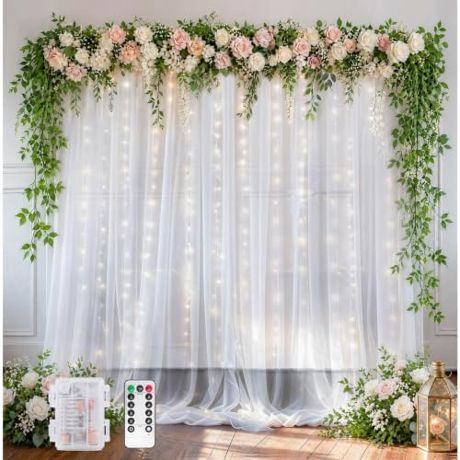
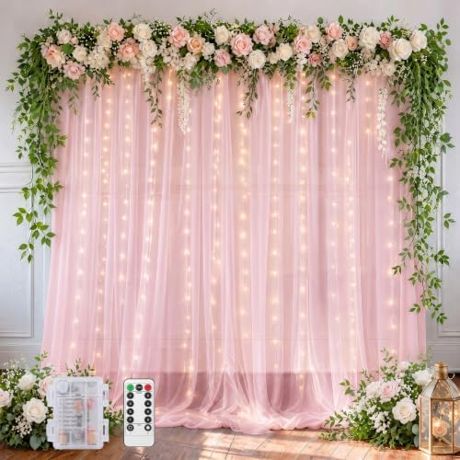
Beyond green we keep white, black, grey and the warmer event colours, plus tulle curtain sets with a battery string light for receptions and birthdays. Sizes are listed in feet across and feet down so you can match the fabric to the span of your backdrop support system without arithmetic.
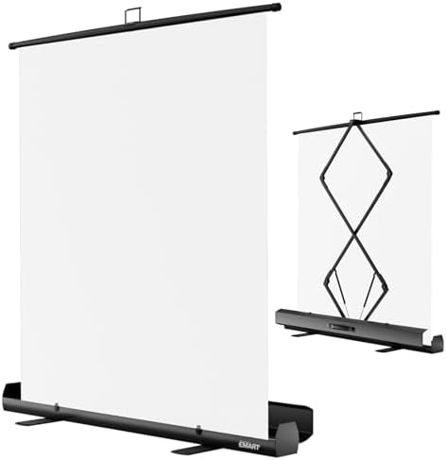
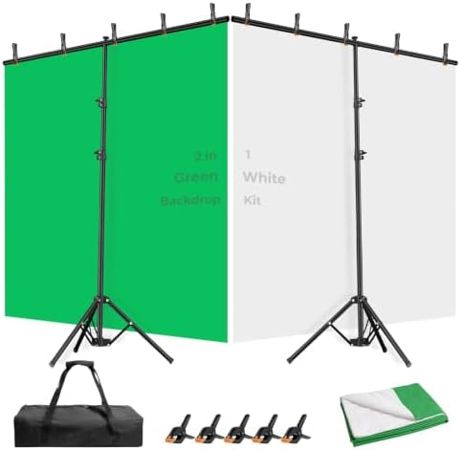
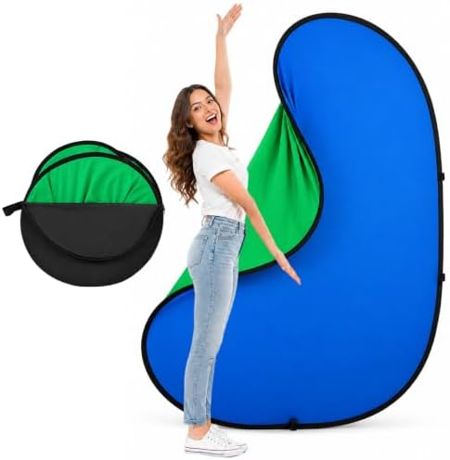
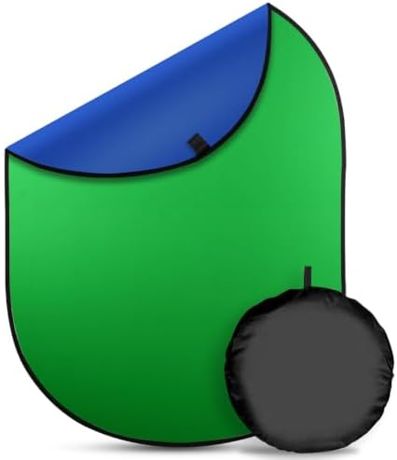
Hanging a backdrop takes two spring clamps and a minute. Open the frame slightly wider than the fabric, clamp the top corners, then even out the middle so the surface is flat across everything the lens sees. Collapsible panels are different and easier: the spring hoop opens itself, and you position it directly behind the chair with no stand at all for a seated shot. Where a panel is reversible, one face is green and the other blue or white, which gives you two backgrounds in one package and no second trip to the car.
Keeping fabric flat is most of the care. Roll rather than fold and a wrinkle stops being something you have to plan around; hang the cloth on the crossbar the night before and gravity does the rest. A steamer held a hand's width away finishes the job in minutes. Never put a hot iron on a synthetic chroma surface — a shine grades out harder than a crease. Muslin and cotton take a low iron with a cloth between; polyester and spandex want steam only. Store everything in its carry bag, out of sunlight, because a black backdrop left in a bright room goes grey at the folds within a year.
Surfaces and the EMART photography backdrop stand behind them
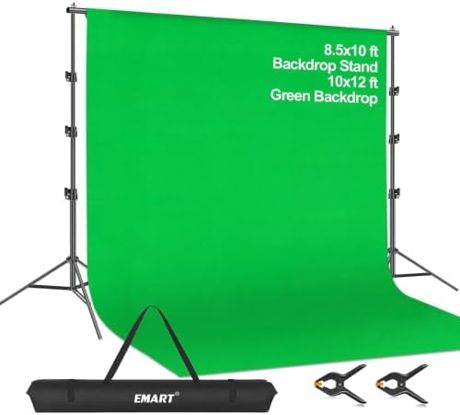
A surface is only half a background; the other half is the frame holding it. Everything on this shelf hangs from the same crossbar as the rest of our photography backdrop stand range, so a green panel, a seamless white sweep, a black drape and a muslin cloth are interchangeable on one support stand. That is what lets a single background stand serve types of work that look unrelated: portraits, pet photography, recorded interviews, product photo work, weddings and the odd event booth. Choosing a size is a question of space rather than taste — measure the wall, keep the subject a step forward instead of directly against the cloth, and leave extra width so an additional panel or a prop has somewhere to go. Collapsible hoops open themselves and position behind a chair with no stand at all; cloth on a fully expanded frame gives more wall for the money. A spring clamp at each corner secures the edge and hooks accommodate the middle of the hang.
Material decides most of the quality here. A matte weave with no shine is the essential property, because a hot spot is what makes a key difficult rather than a wrinkle. Polyester is the popular, portable choice and folds into the carry bag it arrives in; cotton muslin hangs heavier and drops flatter. The professional answer for durability is the hem and the stitching, not the colour, and an enhanced weave is worth paying for only if the design has a flat finish. The package is compact and transports in one pair of hands, so setup is quick: assemble the frame, hang the surface, create a step of separation. Care is standard and takes a minute — roll rather than fold, store out of sunlight, steam rather than iron. No powerful claim about an excellent surface survives a crease, which is why practicality beats specification on this shelf.
Asked between takes
What backdrop is best for keying out a background?
An even, matte green or blue panel lit flat, with the subject far enough forward that no colour spills onto their shoulders. Green suits most skin tones and daylight; blue holds up better under warm light and against blonde hair. A collapsible panel gives you an even surface in seconds; a cloth on a frame gives you more width for the same money.
How do you get wrinkles out of a fabric background?
Hang it and let gravity do most of the work — a day on the crossbar flattens the worst of it. After that, a steamer at arm's length, moving constantly, with the cloth under light tension. Never press a hot iron onto a synthetic weave. Store the panel rolled or in its carry case rather than folded into the same four creases every time.
Can one panel be used for both green and blue?
Several of ours are reversible — green on one face, blue on the other — and that covers most work without buying twice. What you cannot do is light the two the same way: swap the panel and re-check your exposure on the background separately from the subject.