
EMART light stands, tripods and C-stands for photography
EMART spring-cushioned light stands, heavy-duty C-stands with boom arms, reverse-folding tripods and phone stands for photography on location.
25 results in Light Stands & Tripods
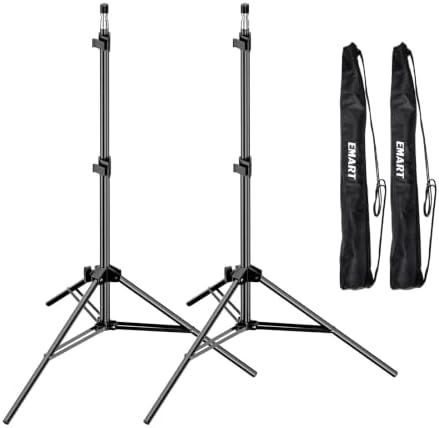
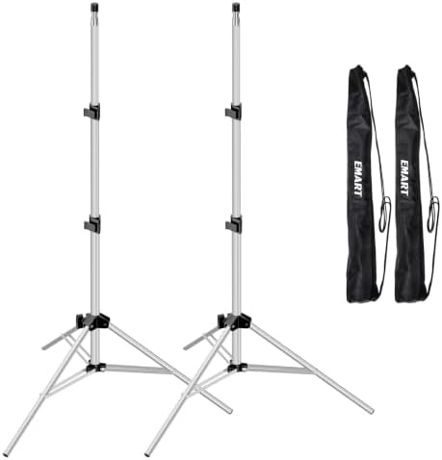
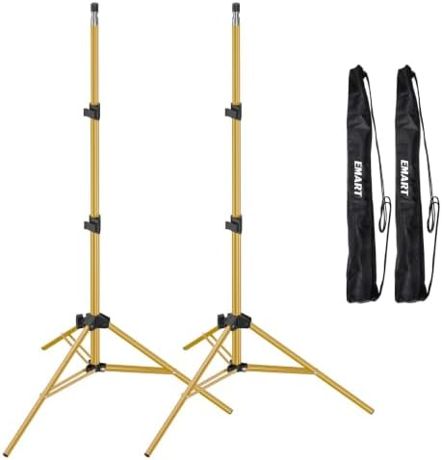
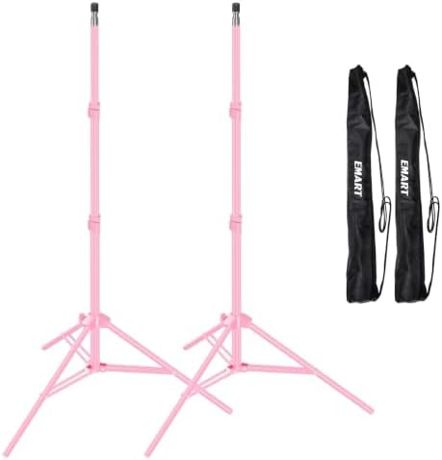
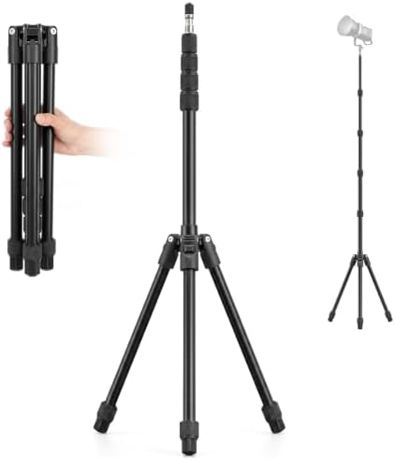
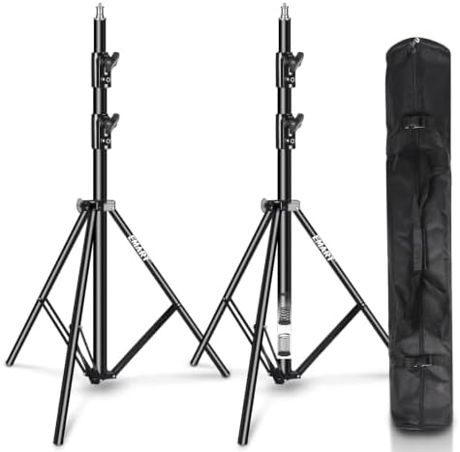
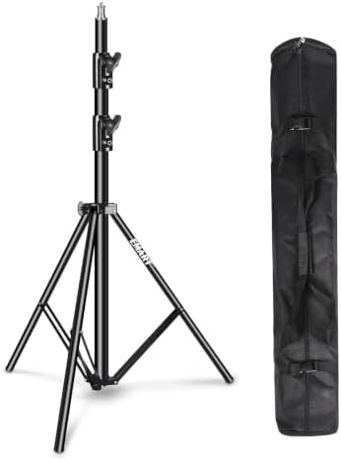
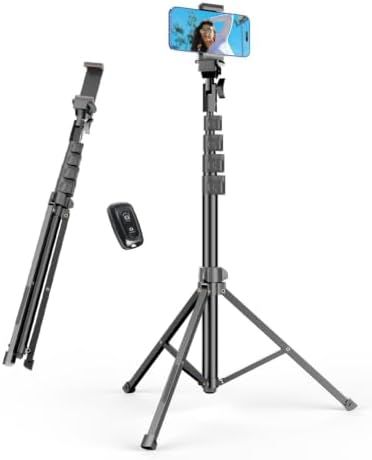
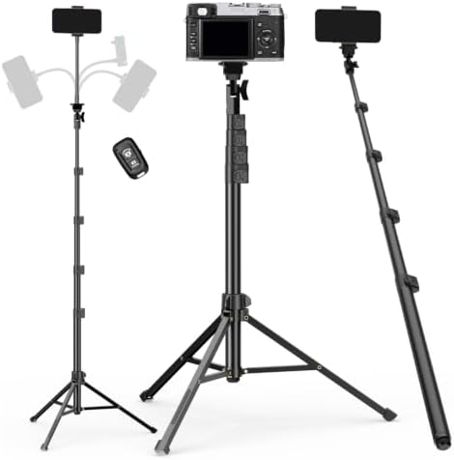
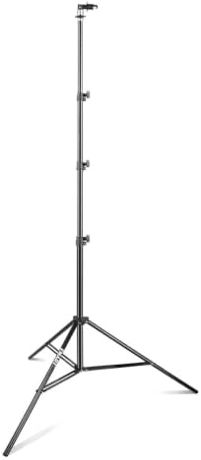
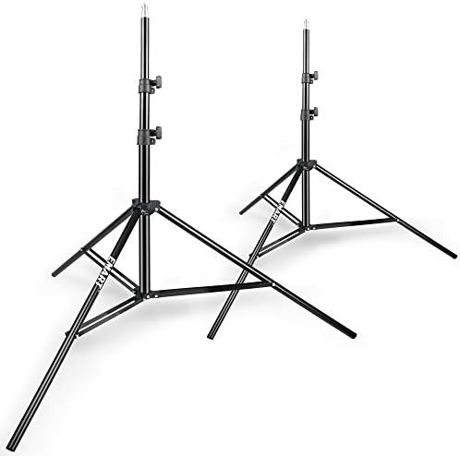
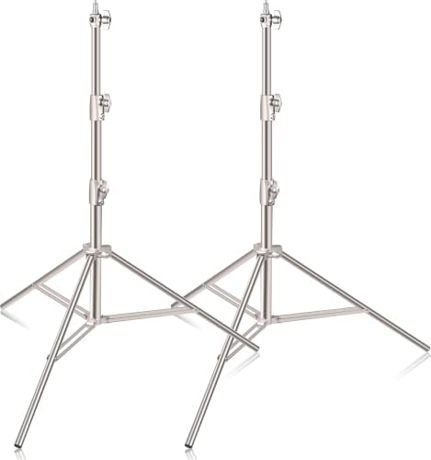
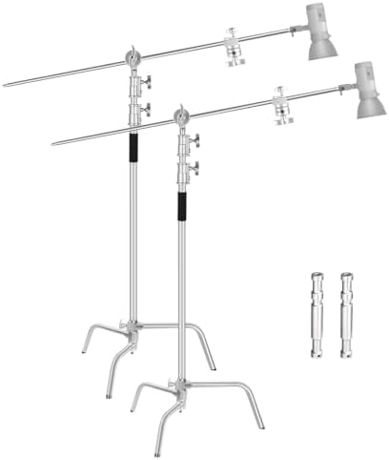
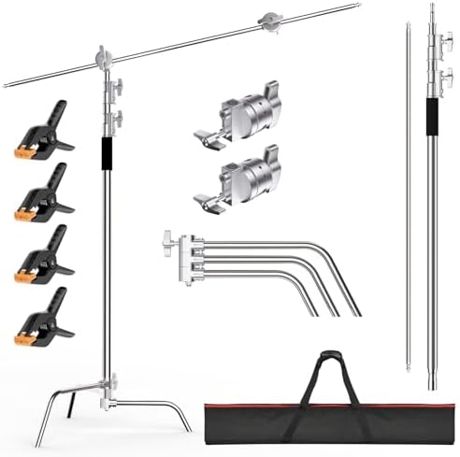
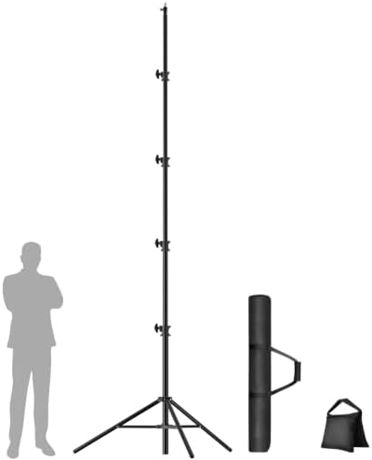
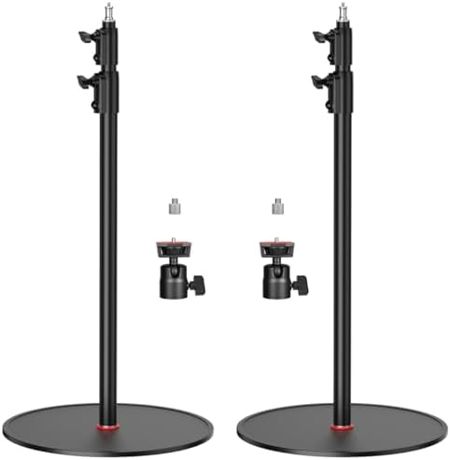
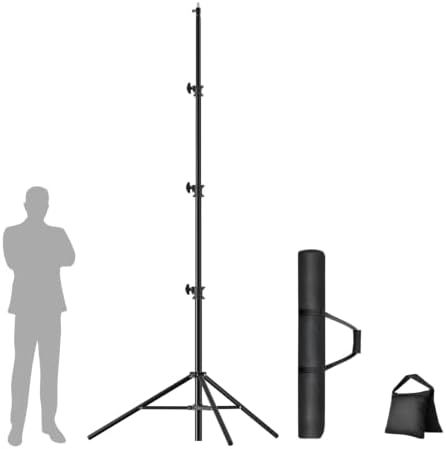
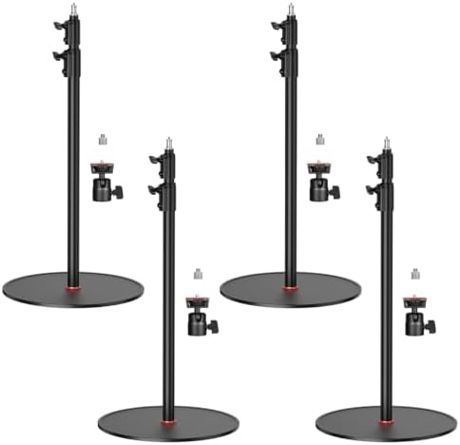
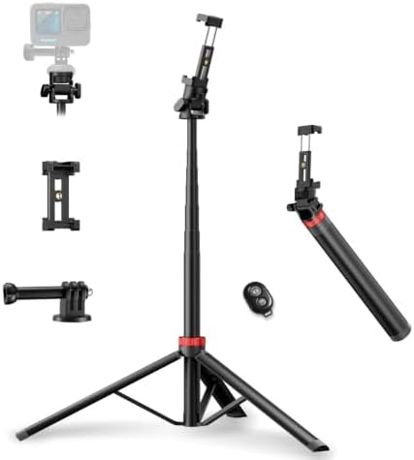
About light stands & tripods
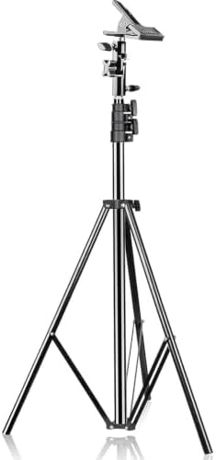
A light stand is the part of the kit you only think about when it fails, and when it fails something expensive hits the floor. Ours are built in aluminium alloy or stainless steel depending on what they are asked to carry, with spring cushioning in the columns on the heavier models so a dropped section does not land on a lamp or a finger.
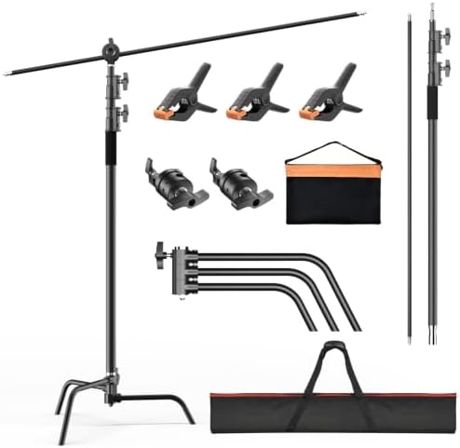
Heights on this shelf run from seven feet, which is the working height for a seated portrait, up past thirteen feet for lighting a background from above or getting a key over a group. C-stands with boom arms are the choice when the light has to come from somewhere a tripod cannot stand — over a product table, across a set, or down onto a desk for an overhead shot. Reverse-folding stands collapse smaller than they look and suit a bag that travels on public transport.
Phone tripods and extendable stands sit here too, with remotes in the box where the listing says so. Every page gives the maximum height, the folded length and the base type, because a round base and a tripod base behave differently on a floor with cables on it.
Read the maximum height and the folded length together, because they are the two numbers you live with. A stand that reaches thirteen feet is no use if it will not go in the car, and a compact stand that folds small will not get a key light over a group. Setup is telescopic sections and a lever lock on each; on the heavier columns a spring cushion slows a dropped section so it lands on air rather than on a lamp or a hand. Square the legs fully every time — it costs a second and it is the difference between stable and nearly stable.
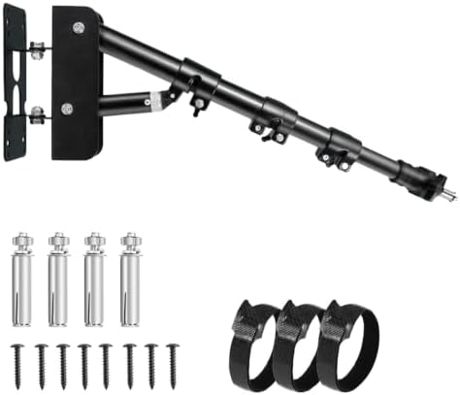
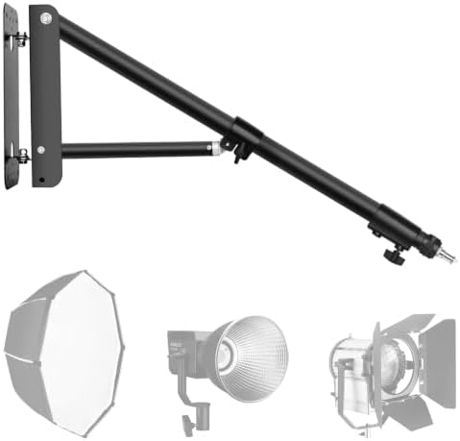
A boom arm changes the sums. Hang a head on one end and the stand will tip unless the base is weighted and the heaviest point is kept close to the column, so sandbag the legs before you load the arm rather than afterwards. C-stands are built for exactly this and carry more, at the cost of weight in the bag. Reverse-folding stands collapse shorter than they look and suit kit that travels on public transport. All of it wants the same care: wipe the sections after an outdoor event and store them standing in a corner rather than flat under something heavier.
Columns, tripods and the EMART photography backdrop stand they work with
A stand is the part of a kit nobody thinks about until something expensive hits the floor. This shelf carries the columns that hold a head up and the tripods that hold a camera still, and both are bought alongside a photography backdrop stand because a set is three purchases pretending to be one. The frame holds a seamless white, black, green or muslin surface; these hold everything that points at it. One support stand will serve types of work that look unrelated — portraits, recorded interviews, pet photography, product photo work, weddings, an event booth — and the background stand behind the chair is what makes them read as deliberate. Choosing is a space problem. Measure the wall, position the feet clear of the walkway, and allow for a column fully expanded taking more floor than the frame does. Leave extra room so an additional head or a prop can go in, and keep the subject forward rather than directly against the cloth.
Height is the specification people regret, and quality is in the collars. Aluminum alloy is the portable, popular choice; heavy metal gives enhanced stability and is the professional answer where a rig stays put. Durability is in the locking collar and the fitting at the top of the tube, not in the paint, and a standard mounting thread is essential because it lets a head from one kit assemble onto a column from another without needing an adaptor. Spring cushioning is worth the money on anything carrying glass. The package folds into a carry bag, compact and stable to transport in two hands, so setup is quick and you can create a set directly out of the bag. Care is standard — wipe the metal, keep the clamp and the spigot together, store it standing. A powerful specification matters less than the practicality of an excellent design that still opens in a year.
Asked between takes
What is the difference between a light stand and a tripod?
A light stand carries weight straight down a single column and is built to go high cheaply. A tripod is built to hold something still and level, with a head that aims it. Columns with spring cushioning protect the lamp when a section drops; a tripod base keeps a frame from walking when somebody brushes past it.
How high does a stand need to go?
For portrait key light, a little above the subject's eye level with room to angle down — most people find seven to eight feet covers everything indoors. For background support, match the height to the background you own, not the other way round. Each stand on this site prints its maximum working height.
Will a boom arm tip the stand over?
It will if you hang a head on one end and nothing on the other. Spread the legs fully, weight the base before you load the arm, and keep the heaviest point as close to the column as the shot allows. Sandbags are the cheapest piece of safety equipment in the room.