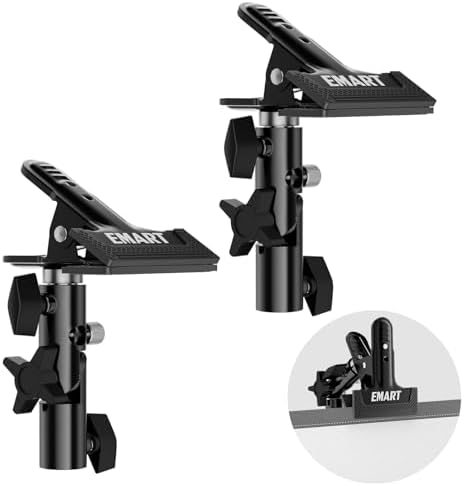
EMART Photography Reflector Holder 5/8" Heavy Duty Metal Backdrop Clips
One of the photography backdrop stands, lighting kits and support systems EMART makes.
2PACK Spring Clamps Mount, Light Stand Attachment with Umbrella Hole, Reflector Stand Clamps for Backdrop, Diffuser, Lighting
4.6 1,348 reviews
$2599
In Stock
Our Photography Reflector Holder 5/8" Heavy Duty Metal Backdrop Clips is the piece we hand over when a room has to turn into a set in one go.
The frame is metal, which is the difference between a stand that travels and one that bends. You also get a heavy-duty build and 360-degree rotation. Specifications here are read straight off our own listing — no rounding, no best case.
Key features
- It is a powerful spring clamp for photographer who needs an extra hand for single-person work and need help supporting a reflector at an angle
- Metal Clamp- The strong and stable metal body with non-slip adhesive can grip the large reflector due to its high load capacity. Super powerful metal clamp can 360° rotation
- Light bracket with 180° vertical adjustment lamp holder,make reflector at different angles
- Umbrella Holder- There is a hole for locking screws in the middle, which is special designed for umbrella support
- Using Easily- The reflector can be well positioned by simply connecting the reflector to the stand through the metal clamp holder
Specification
| Material | Metal |
|---|---|
| Reviews on the listing | 1,348 |
Where it sits in the range
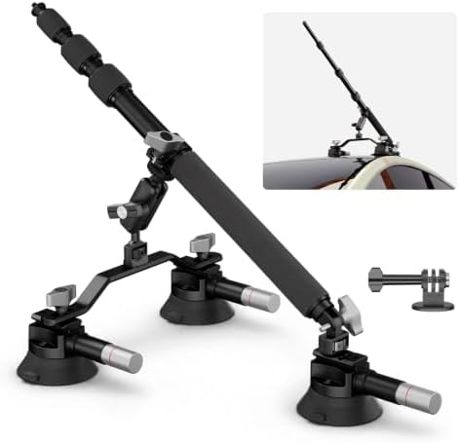
EMART overhead camera rigs, magic arms, super clamps, suction mounts, ball heads, sandbags and the small metal that holds a photography backdrop stand together.
Where it earns its place
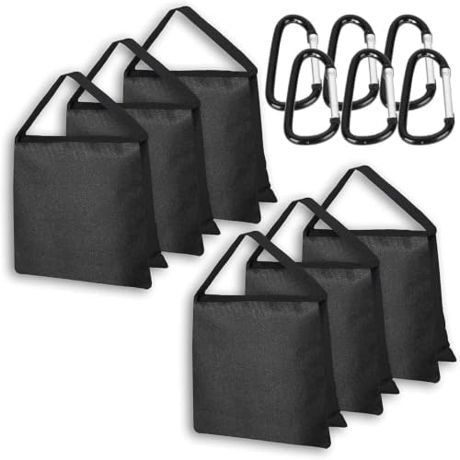
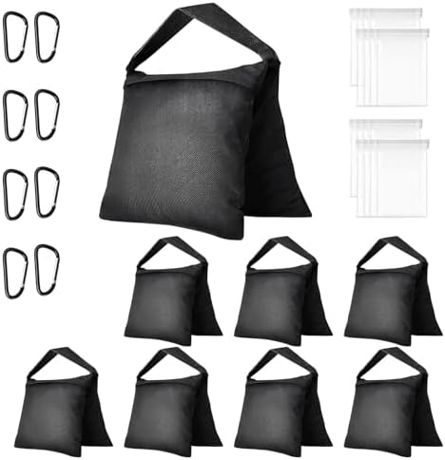
The small metal is what decides whether a photography backdrop stand behaves. Spring clamps at the corners, hooks spread along the bar, sandbags at the feet, the right fitting between two threads — buy the frame without them and you arrive on location unable to hang anything.
Matching it to a photography backdrop stand
Choosing the size is arithmetic rather than taste. Measure the wall across, subtract roughly a foot at each end for the legs and the fittings, and you have the span the frame has to accommodate when it is fully open. Height comes next, and it is the figure that changes once a subject stands: a seated portrait is happy at seven feet, a standing one wants everything expanded so the top edge of a muslin, seamless white, black or green surface stays above the shot. Keep a step of space behind the subject rather than putting them directly against the surface. In a small room, buy a little extra width — that is where an additional panel, a light or a prop ends up living. As a general matter, one size up forgives more than one size down.
Setting it up
Assembly is quick and standard. Pull each telescopic section up by hand, lock the adjustable collar, square the base. The mounting threads are the usual size for this kind of gear, so a fitting borrowed from another stand will do, and the whole setup takes one pair of hands. The legs open wide, and that width is the stability — not the thickness of the tube. Position the base so nobody kicks a foot, and add weight at the feet whenever the load is heavy or people are moving across the room behind the frame.
Hanging it and holding it steady
A spring clamp at each corner secures the top edge and hooks spread the load along the crossbar, so the surface hangs straight instead of scalloping between two points. The same clamp keeps a light cable or a tripod leg out of frame when the kit gets crowded, without needing a second pair of hands.
Bag, case and care
Folded, it is compact enough to transport as one piece: the carry bag in the package takes the whole collapsible set, so no extra sections travel loose. The quality worth paying for is boring: metal collars that still grip, a design with no part that only works while new. Aluminum keeps a pro kit portable, heavier metal makes it durable, and durability on gear like this is an argument about joints. We would rather sound dull than claim an excellent finish. Care takes a minute: sections wiped, clamps back in the bag, the whole thing kept upright in a corner. A wrinkle in a surface is a storage problem rather than a fabric problem.